
Reading Bones: How to Tell If an Old Lafayette House Is Worth Saving
Buying an old house in Lafayette is never just about square footage or finishes. It is about spreadsheets, imagination, patience, and knowing when the charm is telling the truth versus when it is distracting you from the cost. The best old houses are not perfect. They are layered, imperfect, sometimes intimidating, and often full of the kind of original character you cannot casually recreate anymore.
This post breaks down how to tell when an older Lafayette home is worth saving, from foundation concerns and inspection report language to neighborhood strength, renovation value, and the math that has to hold the whole dream together. It also shares the story of one Lafayette family who leaned into the process instead of panicking, asked the uncomfortable questions, and found the rare place where lifestyle, investment, and a real forever-home vision could meet.
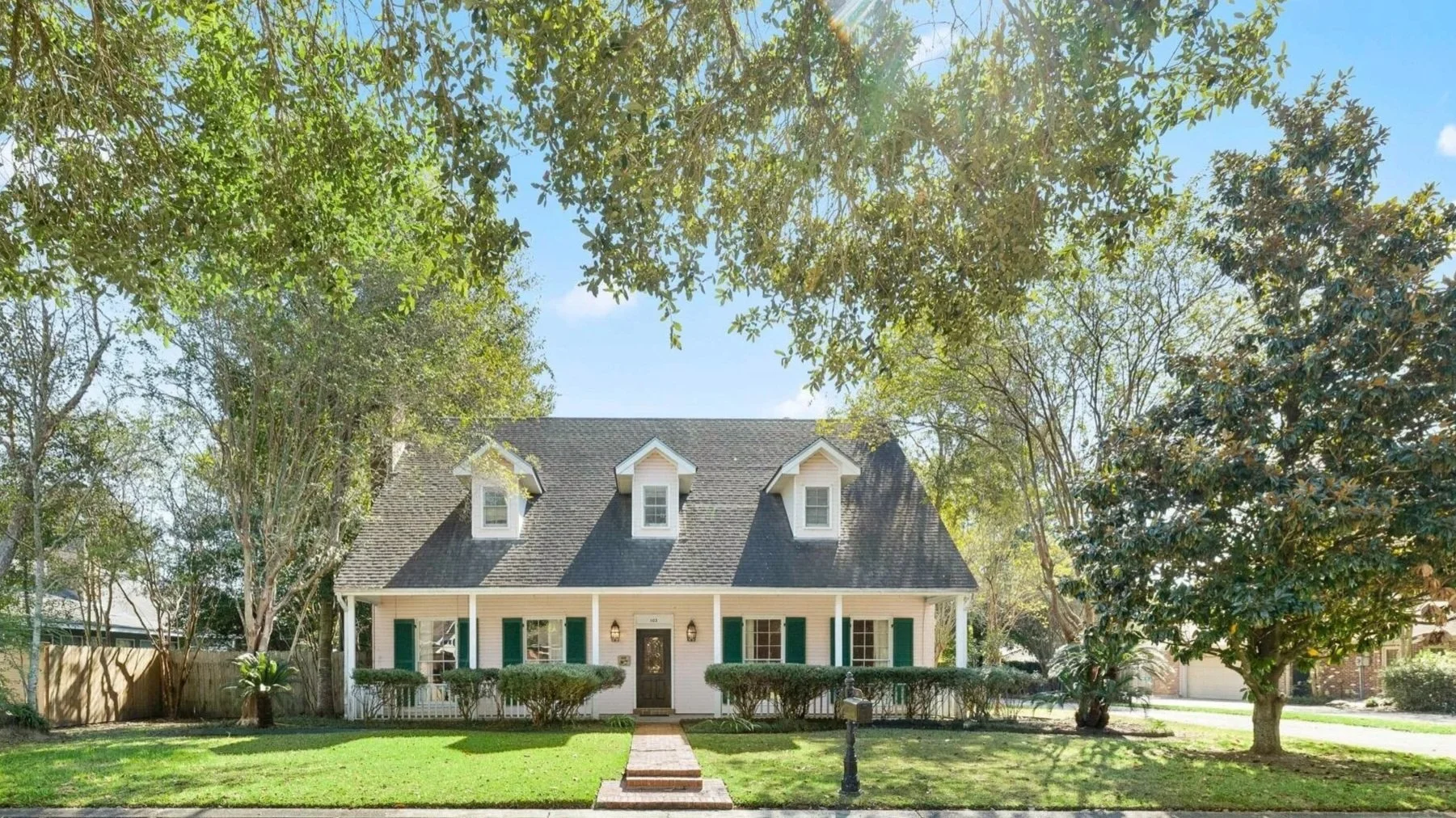
103 Clipper Cove; Photo courtesy of Debbie Green and Compass Real Estate via MLS, used with permission.
Every old house tells you the truth eventually, the question is whether you know how to listen before you sign the closing papers.
“Is this house worth saving, or am I about to set my money on fire?”
I get some version of this question all the time, usually from a buyer standing in the doorway of an older Lafayette home, staring at a crack in the plaster, a sloped floor, or an inspection report that suddenly made the house feel like it belongs in hospice.
The answer nobody wants, but every buyer needs, is this: It depends on what is actually wrong, what only looks wrong, and whether the location is strong enough to support the money you are about to put into it.
That last part matters more than people think.
Good bones are not just about framing, floors, and foundation. Good bones are also location. Neighborhood. Lot. Street. Surrounding values. Long-term upside. A house can have gorgeous original materials and still be a bad buy if the neighborhood cannot carry the renovation. On the other hand, a tired house in the right pocket can be one of the smartest buys in the market, as long as the structure and the math both hold.
And most buyers, understandably, cannot tell the difference yet.
So let’s fix that.
Let’s talk about how to read the bones of an old Lafayette house before you fall in love with the porch, the old floors, or the idea of who you will become once you own a home with old-growth cypress doors and trim.
Which, to be fair, is a very compelling personality shift.
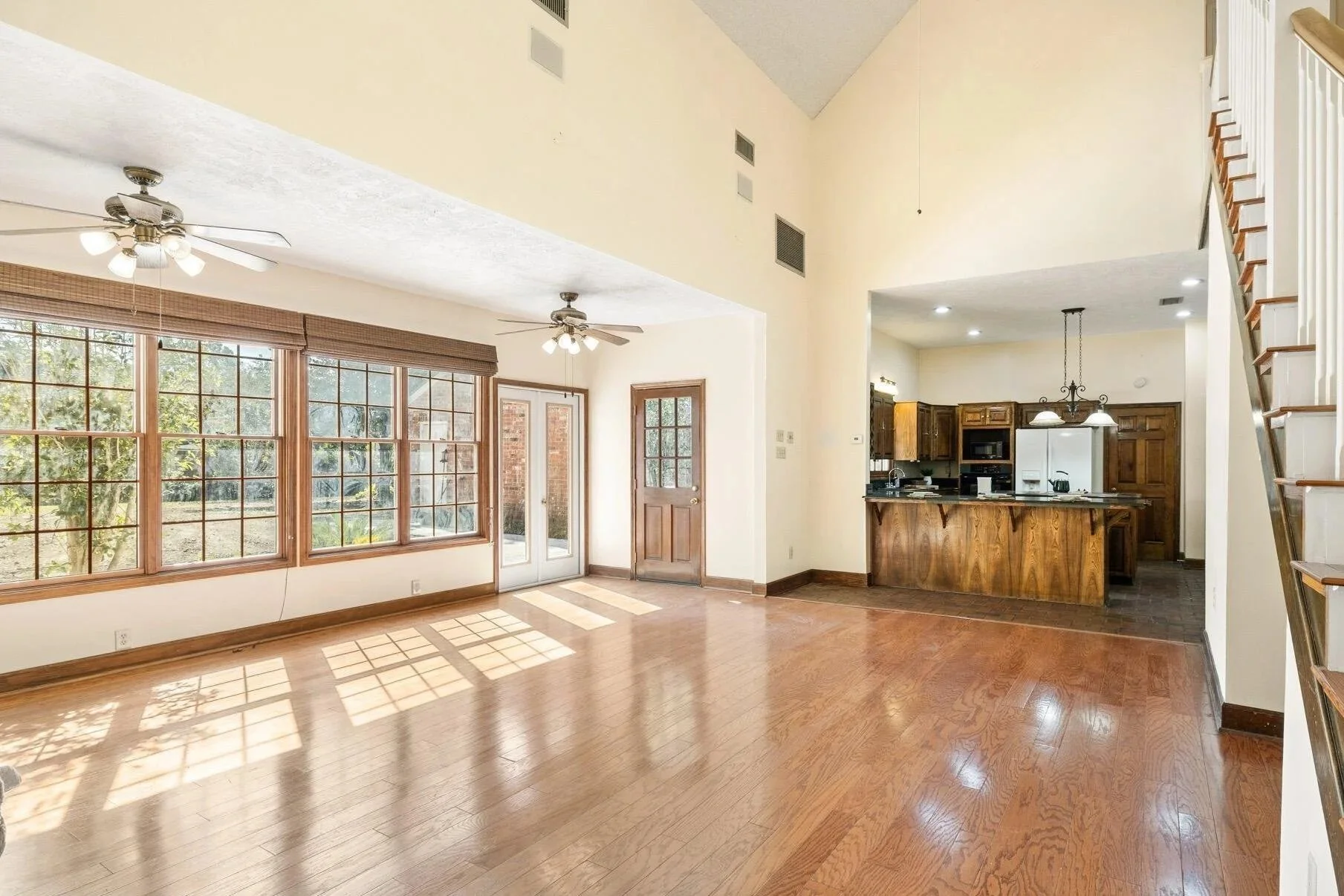
Photo courtesy of Debbie Green and Compass Real Estate via MLS, used with permission.
What “Good Bones” Actually Means
“Good bones” gets thrown around constantly in real estate, but it is not just a cute phrase for a house with pretty windows and old doorknobs.
A house with good bones has underlying value.
That value usually comes from five things:
The structure is fundamentally sound.
The layout, scale, or footprint gives you something worth improving.
The original materials are better than what you could easily buy today.
The location supports the renovation.
The purchase price leaves room for the work.
That is the real test.
A house with good bones does not mean “only needs cosmetic work.” It may need foundation work, a roof, HVAC, insulation, electrical work, full bathroom redos, tree removal, and a full emotional support team. But the important question is whether those repairs are building on something that will be worth more than you spent when the work is done.
A house without good bones is different. That is when the issues are structural, systemic, overpriced, poorly located, or hidden behind fresh listing-photo paint.
In Lafayette, especially in older neighborhoods and established 70508 pockets, you will see both.
You will see homes with real architecture, mature trees, large lots, generous rooms, old-growth materials, and proportions builders do not (and many times cannot) recreate anymore.
You will also see homes that have been patched, neglected, flipped badly, cosmetically dressed up, or in a location that will never support your renovation cost per square foot.
The skill is knowing which one you are standing in.
The House Is Only Half the Bones
This is where buyers get it wrong.
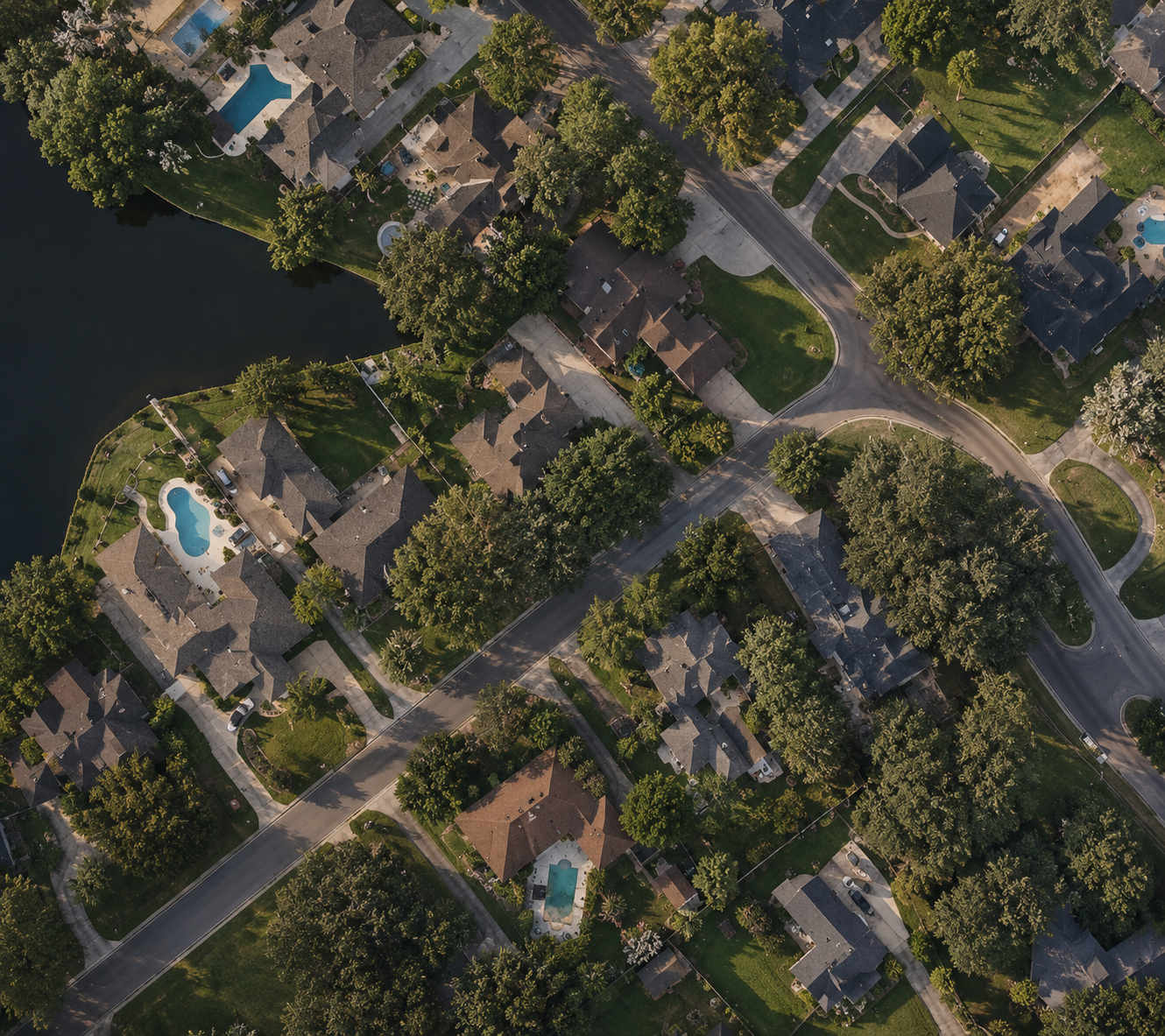
A house can be charming, original, and full of character, but if the neighborhood ceiling is too low, you can easily over-improve it. That does not mean you cannot renovate it. It means you need to be honest about whether the money is lifestyle money or investment money.
There is a difference.
Lifestyle money is what you spend because you want to live beautifully. You fell in love with an old home on a big lot in a low property value neighborhood, but the view of your chickens in the Louisiana sunset can’t be beat and you don’t ever want to move again.
Investment money is what the market is likely to give back to you.
The best old house opportunities are where those two things overlap.
That is why location is not a side note in the “good bones” conversation. It’s the spine.
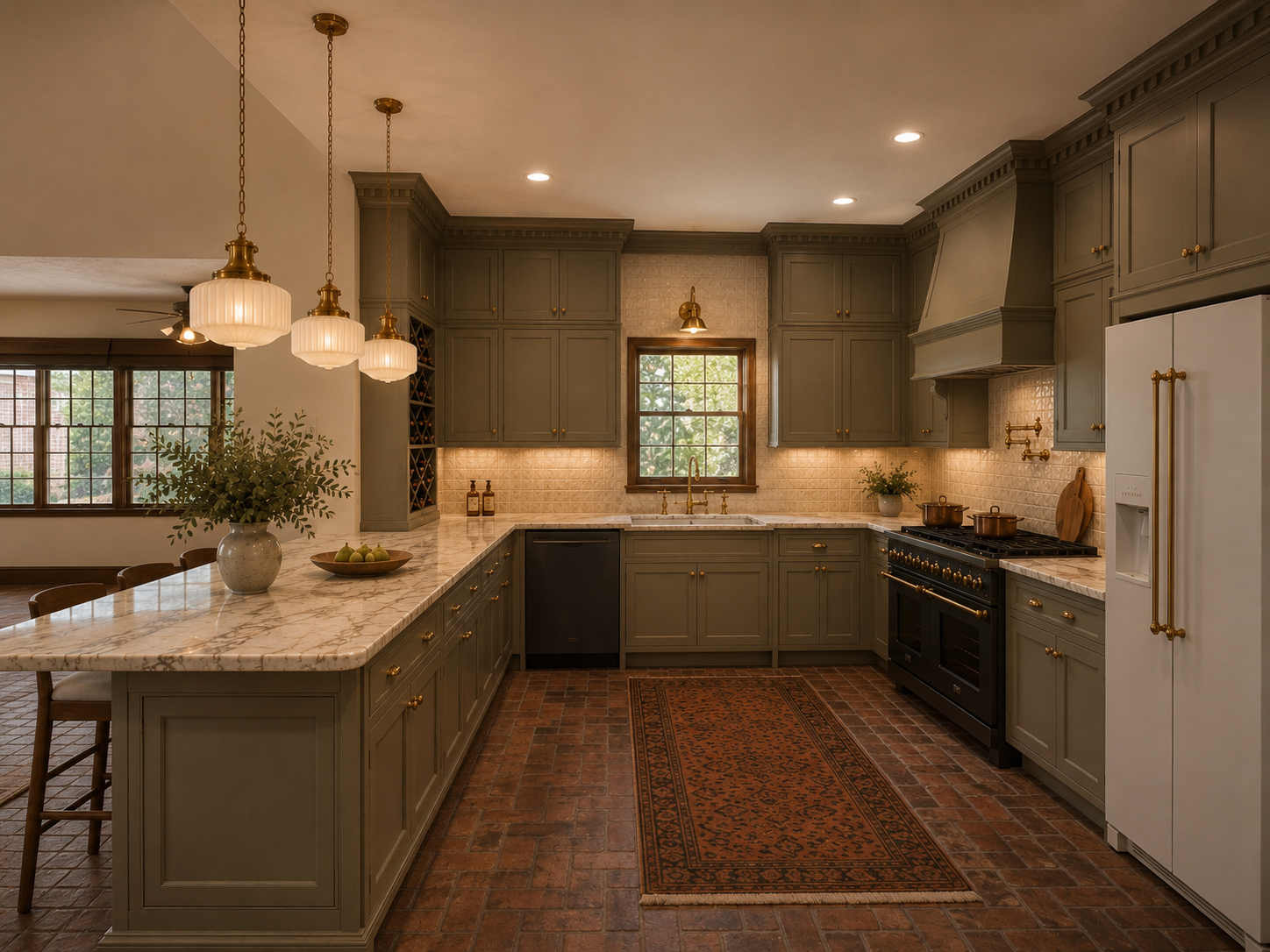
Early reimagination of the kitchen at 103 Clipper Cove c/o Youtsas Real Estate & Design
Where Investment Money and Lifestyle Money Intersect
This is exactly why I look at a house like 103 Clipper Cove differently than I would look at a quick flip.
The point is not to buy it, slap a trendy renovation on it, take listing photos, and sprint back to market. That is not the assignment. The point is to renovate it for life. To make the kind of decisions that hold up, not just the kind that photograph well for thirty seconds online. That changes the math, and honestly, it changes the whole lens.
The value model matters because it keeps the romance honest. In the Clipper model, the purchase price is $330,000, with a $15,000 seller credit bringing the net purchase exposure to about $315,000. The modeled renovation budget is significant, with about $124,410 in structural work and $127,380 in cosmetic work, for a total renovation budget of about $251,790. Once closing costs and carry costs are included, the all-in basis is around $588,540.
That is not a casual number. It is not “paint the cabinets and call it equity.” It is a real renovation budget attached to a real house in a location that can justify doing the work correctly.
The projected renovated value today is around $600k which creates only a modest immediate equity cushion. That is important. The model is not pretending this is some cartoonish quick-flip spread where every dollar magically comes back by Tuesday. The real strength shows up in the longer-term value model, where the projected 5-year value is around $705k using a 3% annual growth assumption. In 10 years? Roughly $820k.
That tells a much more honest story. Clipper is where the lifestyle decision and the investment decision intersect. The renovation makes sense because the location is strong, the neighborhood can support a higher finished value, and the plan is long-term ownership, not a fast resale. The money is not just going into finishes. It is going into structure, function, comfort, design, and durability inside a neighborhood where those improvements have a better chance of being protected over time.
That is the part buyers miss. A renovation for life does not need to behave like a flip. It still needs discipline, but the return is not only measured by what you could sell it for the second the dust settles. It is measured by how the house lives, how well the work holds, how much future maintenance you solved upfront, and whether the neighborhood continues to support the value of what you created.
You can put a $250,000 renovation into almost any house. The market does not have to care. The smartest renovation is the one where the house, the location, and the long-term plan are all saying the same thing.
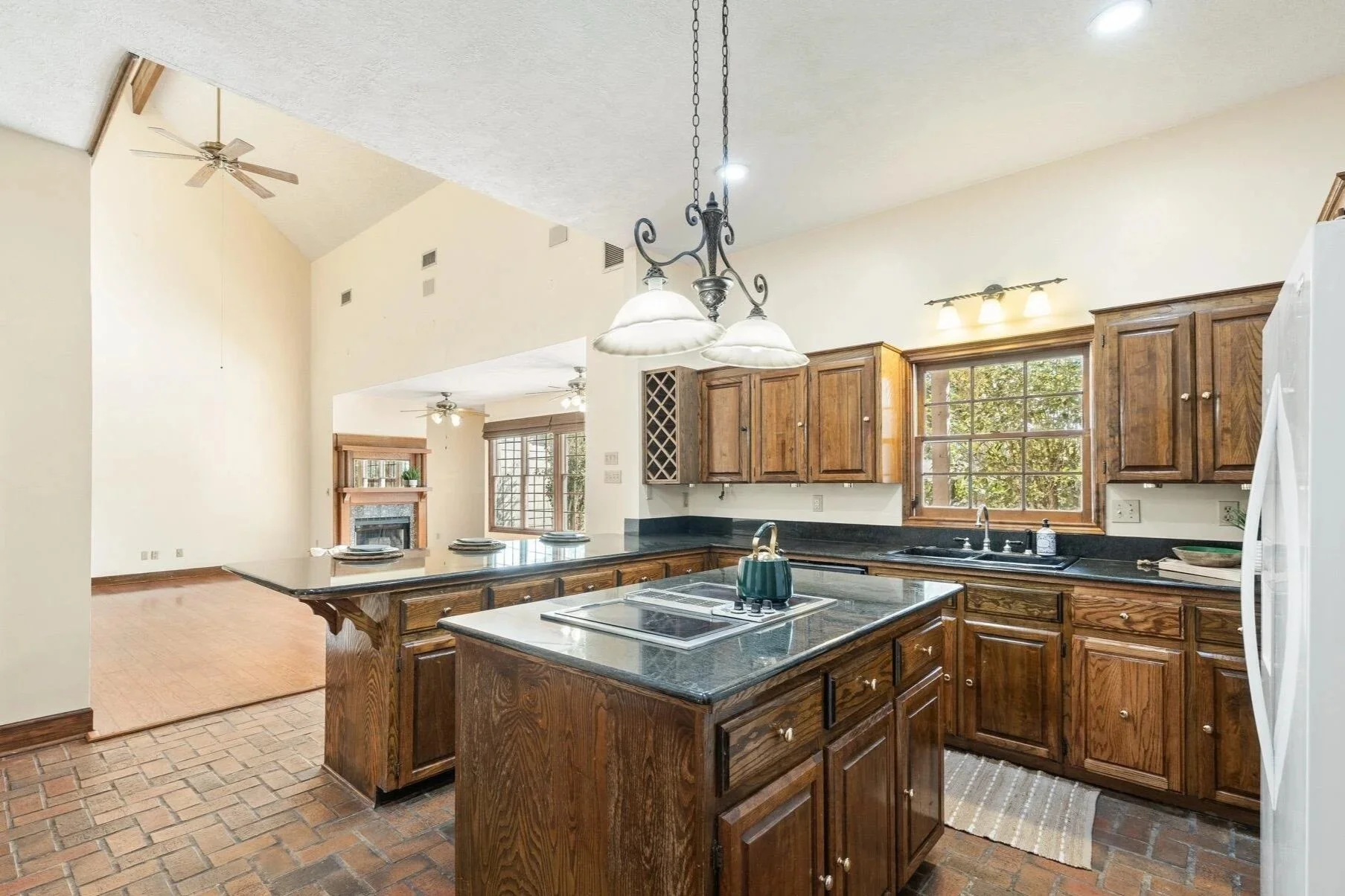
Photo courtesy of Debbie Green and Compass Real Estate via MLS, used with permission.
Cosmetic Damage Lies. Structural Damage Doesn’t.
Peeling paint does not scare me. Dated wallpaper does not scare me. Ugly carpet over hardwood does not scare me. A kitchen stuck in 1994, with fluorescent lighting and cabinets the color of peanut butter, does not scare me.
That is lipstick. Lipstick comes off.
What I care about is everything underneath the lipstick. I care about the foundation, the roofline, the original materials, the systems, the drainage, the quality of past repairs, and whether the house has been neglected in ways that are expensive to undo.
A dated house can be a gift if the expensive parts are understandable and the location is strong. A freshly updated house can be a trap if the pretty parts are covering up problems nobody wanted to price correctly.
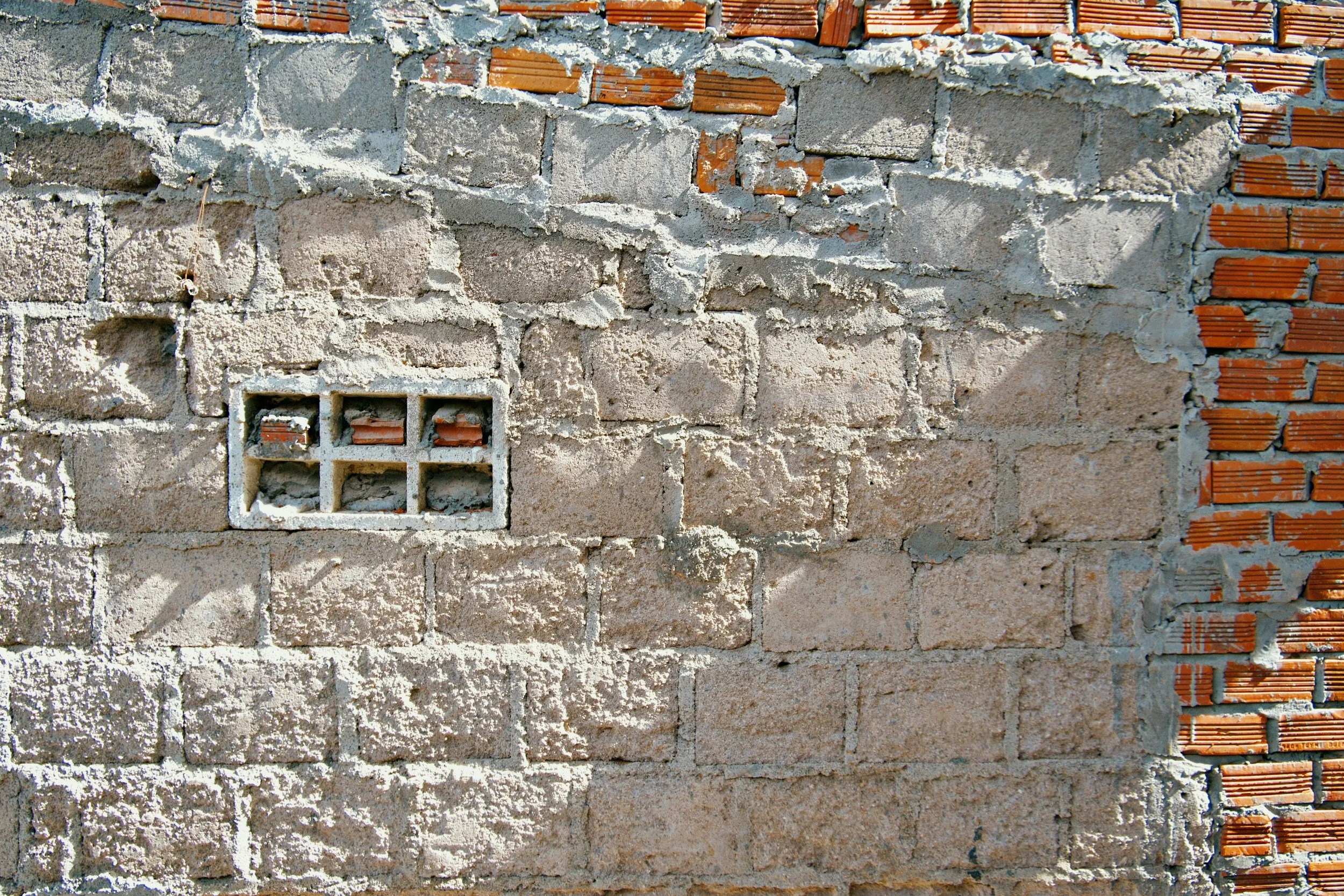
The Foundation
The foundation is one of the first things I pay attention to, but I do not automatically panic the second the word comes up.
That is important.
After the very first showing at Clipper, before anyone got too emotionally attached, I called a foundation specialist who had already been familiar with the house. Not because I was trying to talk myself out of it, but because I wanted to understand the why behind what we were seeing.
That is the part buyers miss.
A foundation issue is not automatically a yes or no. It is a why question.
Why is this happening? Is it old movement or active movement? Is it caused by drainage, trees, soil conditions, poor construction, plumbing, or something structural? Has it changed over time? Is it correctable? Is it being controlled? What would it cost to monitor, repair, or prevent it from getting worse?
Those answers matter more than the existence of the issue itself.
In this case, the concern was not some mysterious, catastrophic failure. The conversation pointed more toward differential settlement connected to trees, soil moisture, and the way the house had moved over time. That is a very different conversation than “the house is falling apart.” It still matters. It still needs evaluation. It still needs to be priced. But it is not the same as running blindly from the word “foundation” because it sounds expensive.
A little settling is normal in an older house. Lafayette soil, age, drainage, humidity, tree roots, and decades of movement all matter. What I want to know is whether the movement has a clear pattern, whether the cause makes sense, whether the right corrective steps have been taken, and whether a specialist can give us a realistic path forward.
That is why I look at doors, windows, floor slope, interior cracks, exterior cracks, drainage, and the relationship between the house and the trees around it. Are the doors and windows hanging square in their frames, or are they fighting gravity? Do interior doors swing open or closed on their own? Are there diagonal cracks above doorways? Does one side of the room visibly slope? Are there trees pulling moisture from the soil near one side of the house? Has anything been done to correct the condition?
A visible slope across an entire room is not something I ignore. But I also do not treat every uneven floor like a death sentence.
Foundation issues are not always dealbreakers. They are always math, context, and cause.
You need to know what is happening, why it is happening, what has already been done, what still needs to happen, and whether the purchase price still makes sense after that number is added back in.
That is the difference between being scared and being informed.
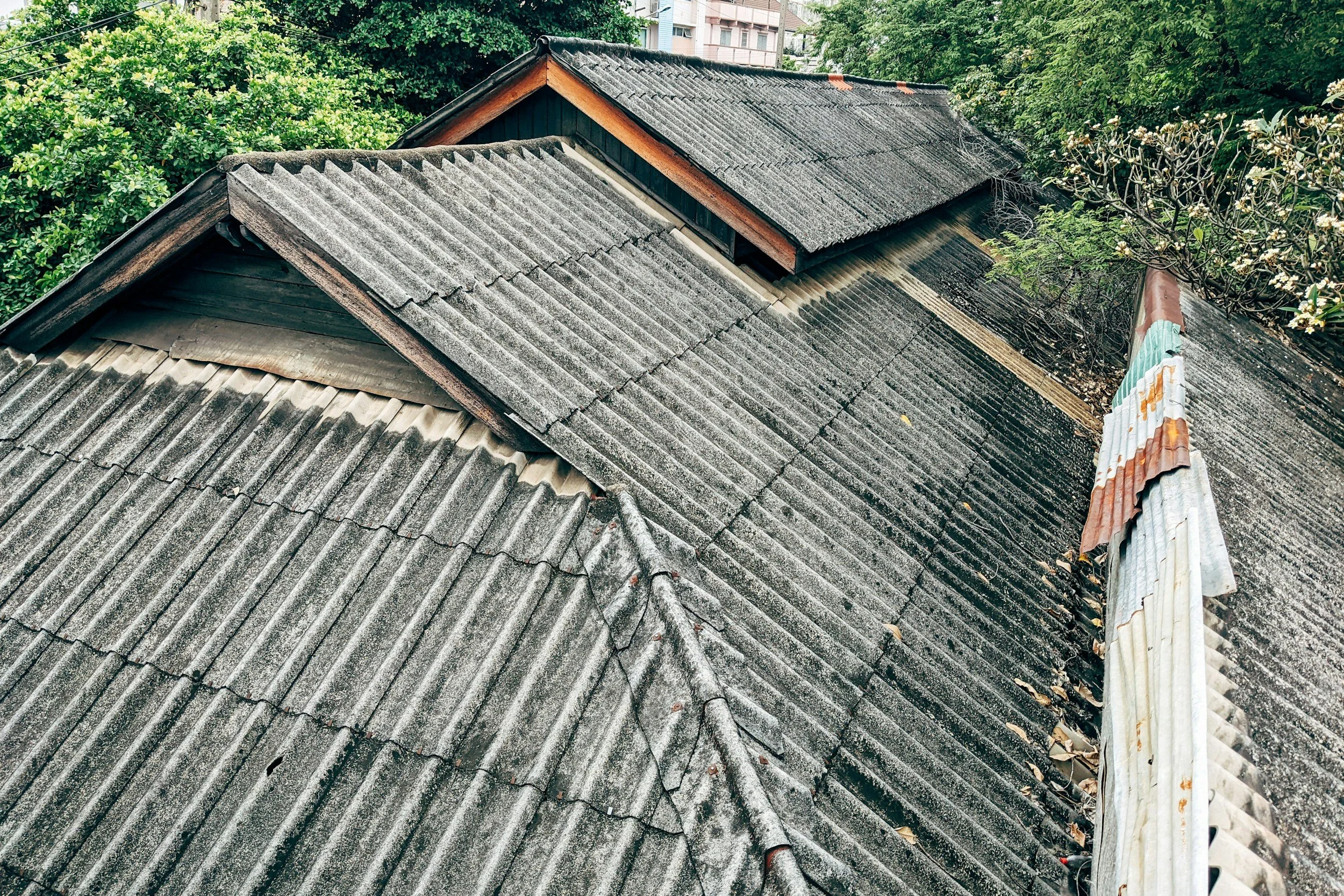
The Roof
A roof tells on a house. I look at the ridgeline, the overhangs, the fascia, the ceilings, the attic if accessible, and any stains that suggest water has been getting in.
Water damage is one of the biggest things buyers underestimate because it often starts quietly. A ceiling stain, a soft spot near a window, a musty smell, bubbling paint, or old patchwork in the attic can all point to deferred maintenance. A roof near the end of its life is not automatically a reason to run, but it is a line item, and should be treated as such.
The problem is not that an old house needs a roof. The problem is pretending it doesn’t.
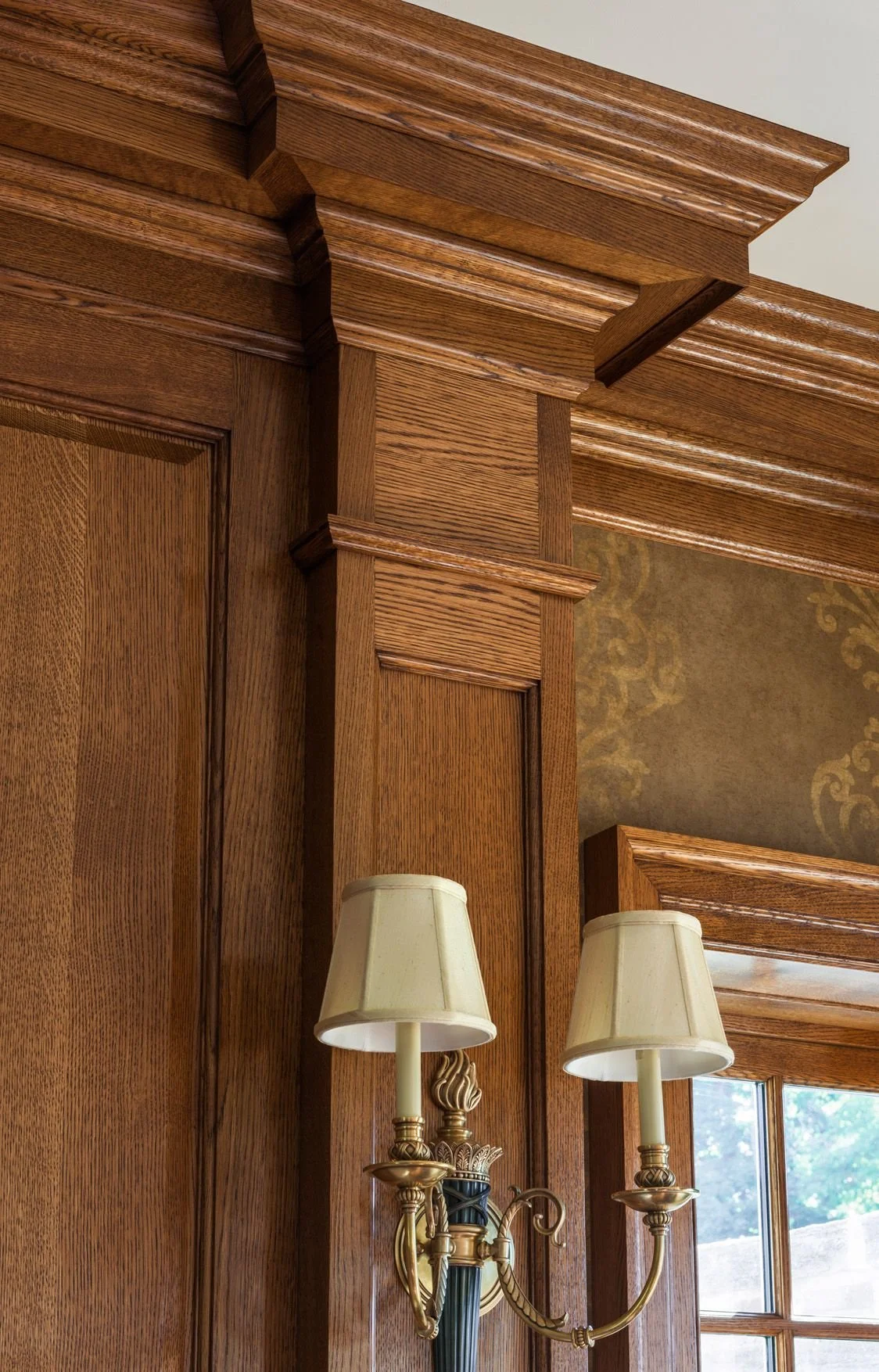
The Original Materials
This is where old homes can be magic. Heart pine floors. Cypress framing. Plaster walls. Solid wood doors. Original trim. Brick fireplaces. Real wood siding. Rooms that feel like they were designed by someone with a soul and not just a subdivision spreadsheet.
This is the good stuff.
Old-growth wood is often denser, straighter, and more rot-resistant than many materials used today. You’ll often find a home constructed of 6×8s instead of 2×4s, which to put in perspective, means you have more than 4 inches of wood rot in every direction before your home is less structurally sound than a new build. When those materials are still solid, you are not fighting the house. You are restoring it. That distinction matters.
A tired house with quality original materials can often be brought back beautifully. A house that has had every original detail ripped out and replaced with cheap updates might photograph “clean,” but it may have lost the thing that made it valuable in the first place.
As a designer, I would rather start with honest original character than a bad flip almost every time.
The Systems
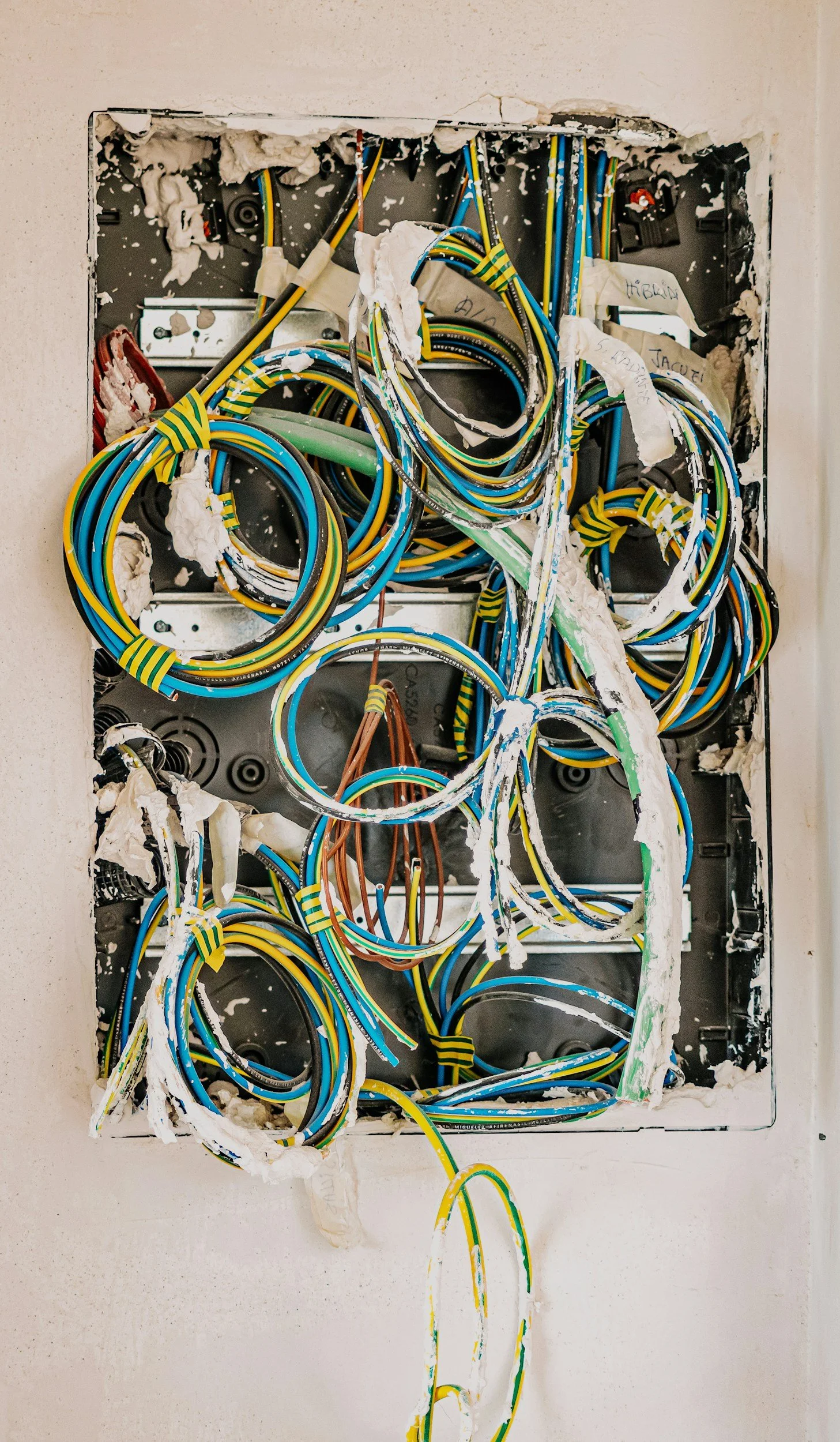
Plumbing, electrical, HVAC, drainage, and roof condition are not sexy, which is exactly why they matter. Outdated wiring, old cast iron, aging HVAC, roof leaks, poor drainage, and questionable DIY work are not always dealbreakers, but they are automatically line items.
This is where buyers need to be especially careful. A charming house with outdated systems may still be a great buy if the price supports the work, but you need real numbers before you fall in love with the crown molding.
Systems are also where “renovating for life” becomes different from renovating for resale. A quick flip might prioritize visible finishes because visible finishes sell. A life renovation has to care about what is behind the walls, above the ceiling, under the floor, and outside the foundation. It is less glamorous, but it is also the difference between a house that simply looks done and a house that actually lives well.
Home Triage: Is the House Broken, or Is It Just Tired?
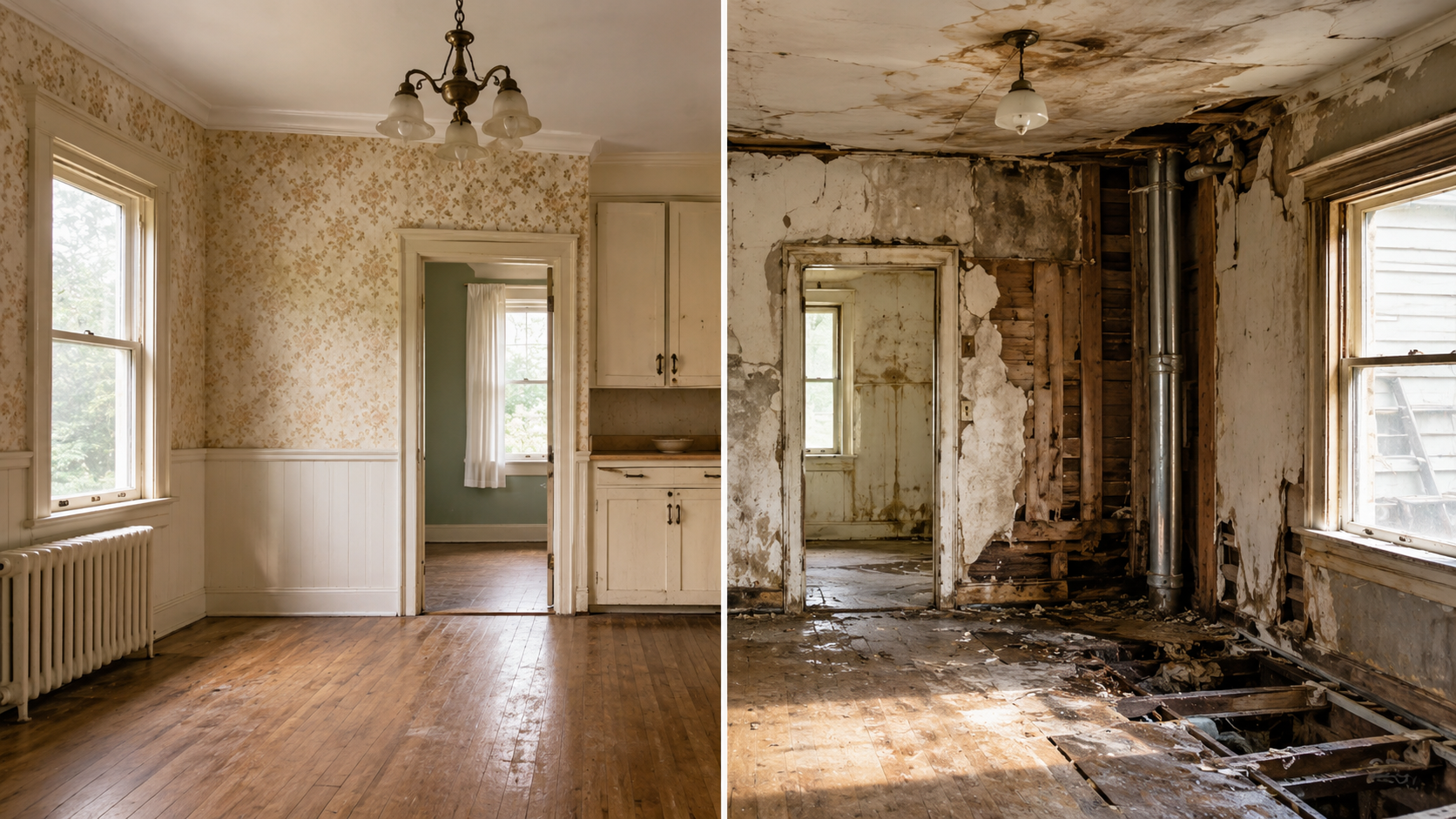
I use a simple filter with clients: is this house broken, or is it just tired?
A tired house needs attention, money, patience, and a plan. A broken house needs an engineer, a specialist, and a much harder conversation about whether the deal still makes sense.
A tired house may have old paint, bad lighting, worn floors, dated fixtures, neglected landscaping, an awkward kitchen, and bathrooms that look like they were designed during a beige shortage. A broken house has active water intrusion, major structural movement, unsafe electrical, failing plumbing, termite damage, roof failure, severe drainage issues, or years of neglect hidden behind cosmetic updates.
A tired house in a strong neighborhood can be an opportunity. A broken house in a strong neighborhood might still be an opportunity, but only if the price is deeply honest. A tired house in a weak location is usually just expensive wishful thinking.
That is why the neighborhood has to be part of the home triage.
Reading the Report
Inspection reports are important. They are also deeply unromantic.
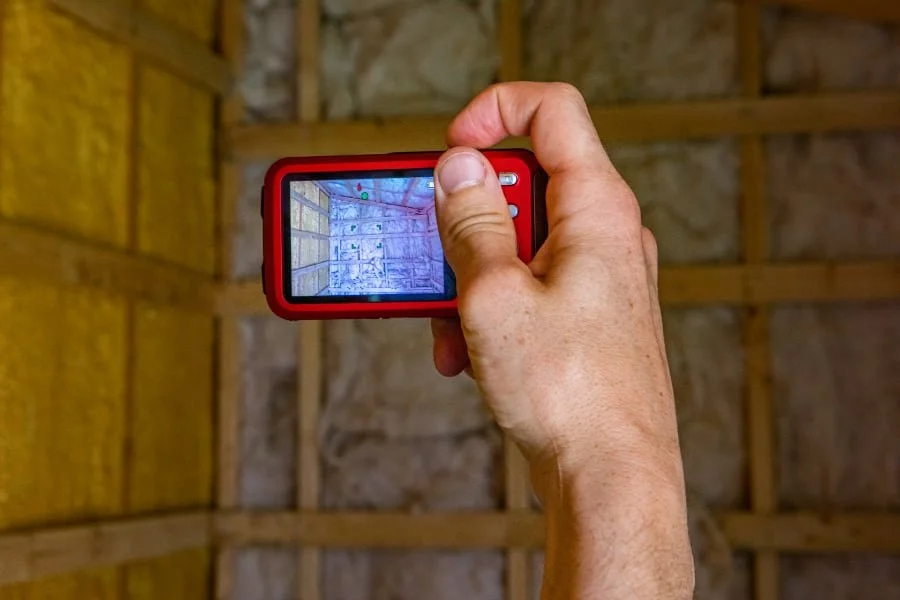
An inspection report is not written to make you feel calm. It is written to document defects, reduce liability, and tell you everything the inspector observed, from “possible structural movement” to “missing outlet cover in bedroom.” Useful? Yes. Emotionally soothing? Absolutely not.
This is where buyers spiral. They see words like moisture, settlement, fungal growth, deficient, corrosion, end of useful life, structural movement, organic growth, improper slope, and further evaluation recommended, then suddenly the house feels like it needs to be taken behind the barn.
But inspection language needs translation. A scary word does not always mean a catastrophic problem. Most of the time, it means, “Pay attention here.” That is different.
“Settlement” sounds terrifying because nobody wants to hear that a house has moved. But some settlement is normal, especially in older homes. The question is whether it is minor, historic, active, or severe. Minor old movement may be manageable. Active movement needs specialist evaluation. Major movement needs pricing before you proceed.
“Moisture intrusion” means water is getting somewhere it should not be. That could come from a roof leak, flashing issue, plumbing leak, poor grading, window leak, drainage issue, or condensation. The word itself is not the full story. The source is the story.
“Organic growth” is inspector language for visible growth that may be mold or mildew, but the inspector is usually not making a laboratory diagnosis. It means moisture is or was present. You need to know why, how long it has been happening, and whether affected materials need cleaning, removal, or repair.
“Deferred maintenance” is the polite way of saying the house has been asking for help and everyone has been pretending not to hear it. Deferred maintenance can be minor or expensive. Old caulk, worn paint, clogged gutters, aging systems, and neglected exterior wood can all fall into this category.
“End of useful life” does not always mean something is dead today. It means the system or component is old enough that you should budget for replacement soon. This is common with roofs, HVAC systems, water heaters, appliances, and exterior materials.
“Further evaluation recommended” usually means the inspector saw enough to flag the issue, but you need a specialist to price or diagnose it. Foundation specialist. Roofer. Electrician. Plumber. HVAC contractor. Structural engineer. Pest professional. The general inspector found smoke. Now you need the right person to tell you whether there is fire.
“Structural movement” is one of the bigger phrases. It can mean anything from old settling to serious active movement. The pattern matters. The severity matters. The cost matters. This is not where you guess. You price it.
“Improper drainage” or “negative grading” means water may be moving toward the house instead of away from it. In South Louisiana, this matters a lot. Drainage is not landscaping. Drainage is house protection.
“Evidence of previous repairs” can be good or bad. A previous repair may mean someone addressed an issue properly. It can also mean someone patched over a recurring problem. Ask who did it, when it was done, whether it solved the issue, and whether there is documentation.
“Termite damage” or “wood-destroying insect evidence” is serious, but not automatically a dealbreaker in Louisiana. What matters is whether activity is active or old, whether the damage is cosmetic or structural, and whether the home has treatment history or a current termite contract.
The inspection report is not there to make the decision for you. It is there to tell you what questions to ask next.
Do not read it like a lab result. Read it like a budget outline.
The goal is not to find a perfect house devoid of defects. The goal is to sort what you are seeing into categories: safety, big-ticket systems, maintenance, and cosmetic.
Safety items are the things that matter immediately: electrical hazards, structural concerns, major plumbing leaks, gas issues, missing railings, unsafe stairs, serious roof leaks, and active water intrusion.
Big-ticket systems are the things that affect budget and negotiation: roof, foundation, HVAC, plumbing, electrical, drainage, windows, and insulation.
Maintenance items are the normal homeowner realities that still cost money: caulking, minor wood rot, gutter issues, small leaks, worn components, aging appliances, exterior paint, and small repairs.
Cosmetic issues are usually the least scary, even though they are often the first things buyers notice: paint, wallpaper, dated tile, old fixtures, worn finishes, ugly cabinets, and flooring preferences.
Once you organize the report this way, it becomes much less emotional. You stop seeing a haunted document full of doom words and start seeing a list of decisions.
That matters even more in Lafayette, because our houses live a hard life. Humidity, rain, drainage, termites, heat, soil movement, aging HVAC systems, roof wear, and additions that may or may not have been done with the kind of care one would hope for all matter here. Greenbriar, Bendel Gardens, Girard Park Circle, Fernewood, The Settlement, Ivanhoe, and the E Bayou/W Bayou areas are full of houses with real potential, but they need sharper evaluation because South Louisiana does not exactly go easy on a structure.
None of that means old houses are bad investments. It means the inspection period matters. It means the scary words need context. It means you bring in the right specialists, price the real issues, and separate what is ugly from what is expensive.
An old house is not the risk. An old house you did not evaluate correctly is the risk.
Questions Worth Asking Before You Get Attached
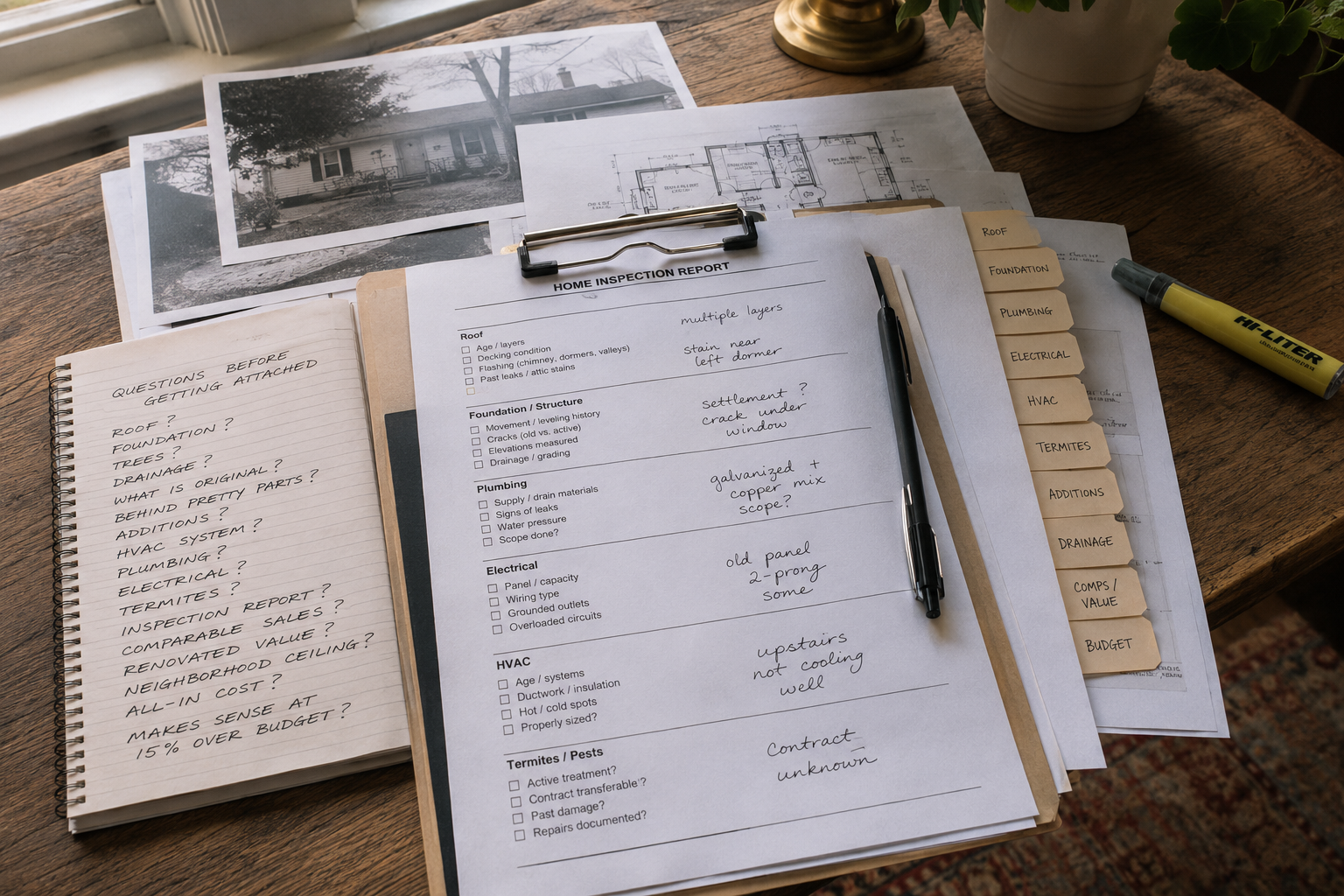
Before you start picking paint colors in your head, and I say this with love because I do it too, ask better questions.
Not just the obvious ones. Not just “how old is the roof?” and “has the AC been updated?” Those matter, but they are only the first layer. With an older house, especially one in Lafayette, the better questions are usually more specific, more annoying, and much more useful.
Ask how the roof is aging, not just when it was replaced. Are there multiple layers of shingles? Is the decking solid? Are there old leak stains in the attic that line up with current roof penetrations? Was flashing replaced properly around chimneys, dormers, valleys, and additions, or did someone just reshingle over old problems and call it a day?
Ask what kind of foundation movement exists and why. Has the house been leveled before? If so, by whom, when, and what exactly was done? Is the movement consistent with soil, trees, drainage, age, or something more concerning? Are cracks old and stable, or are they showing signs of active movement? Has anyone measured the elevations, or are we all just standing in the dining room saying “it feels a little sloped” like that is a structural report?
Ask what the trees are doing to the house, because in South Louisiana, mature trees are both the romance and the villain. Are roots affecting the foundation? Are large trees pulling moisture from one side of the house? Are limbs overhanging the roof? Is the shade helping with heat load but hurting roof life? Were trees removed recently, and if so, has the soil had enough rainy seasons to respond?
Ask whether the drainage is actually working. Does water move away from the structure, or does it sit near the slab, piers, or crawlspace? Are gutters present, clean, and directed somewhere useful? Does the lot slope toward the house? Are there low points near additions? Has anyone looked at the property after a hard rain, or are we judging drainage from a sunny showing at 2 p.m. like amateurs?
Ask what is original, what is worth saving, and what has already been ruined. Are the floors true old hardwood, and is there enough wear layer left to refinish them? Is the trim original or replacement? Are the doors solid wood? Are the windows repairable, or are they failing beyond reason? Is the old material an asset, or is it so damaged that restoration becomes more fantasy than plan?
Ask what is behind the pretty parts. If a kitchen or bathroom was updated, was plumbing moved? Was electrical brought up with it? Were walls opened? Were permits pulled? Was the work done by licensed trades, or does it just look fine because someone used decent tile and good lighting?
Ask how the additions were tied into the original house. This is a big one that average buyers almost never think about. Was the roofline properly integrated? Does the addition have the same foundation type? Does it heat and cool correctly? Are there weird floor transitions, ceiling height changes, drainage problems, or cracks where old meets new? Bad additions are where houses quietly collect expensive little sins.
Ask how the HVAC is actually serving the house, not just how old the units are. Are the systems sized correctly? Is the ductwork intact, insulated, and routed well? Are there hot rooms, cold rooms, dead zones, or additions that never got proper airflow? Is the equipment old, or is the whole design bad? There is a difference between replacing a unit and correcting a system that was never really working.
Ask what kind of plumbing you are inheriting. Is it cast iron, galvanized, copper, PEX, PVC, or a thrilling little buffet of every era? Are drain lines original? Has a camera scope been done if there are concerns? Are there signs of slow drains, patched slab leaks, old water stains, or moisture near bathrooms and kitchens? Plumbing is not the place to be charmed by vintage.
Ask the same of electrical. Has the panel been updated? Are outlets grounded? Is there old cloth wiring, aluminum wiring, knob-and-tube remnants, double-tapped breakers, overloaded circuits, or mystery switches that control the emotional state of the house but nothing else? Does the electrical support modern living, or are you about to ask a 70-year-old system to handle two refrigerators, a hair dryer, and your delusions?
Ask about termites like someone who understands where we live. Is there active treatment? Is there a termite contract? Is it transferable? Has there been prior damage? Was the damage cosmetic, structural, or unknown? Were repairs made, and can anyone show you what was replaced? In Louisiana, “termite history” is not automatically a dealbreaker. Unclear termite history is the problem.
Ask what the inspection report is pointing toward, not just what it says. If it says “further evaluation recommended,” who is the right specialist? If it says “moisture intrusion,” where is the water coming from? If it says “settlement,” what is causing it? If it says “end of useful life,” is that a negotiation item, an immediate replacement, or a future budget line?
Then ask the money questions, because like it or not, a renovation is nothing more than a complex math problem.
What are the strongest nearby comparable sales, and are they actually comparable? Same neighborhood? Same school zone? Same size range? Same lot size and quality? Same level of renovation? Same architectural appeal? A renovated house across town is not your comp just because it also has quartz and a cute powder bath.
What is the realistic renovated value, not the emotional one? What will the market support if the house is renovated well, but not overbuilt? Is there a ceiling in this neighborhood? Are buyers in this pocket paying for design, lot, square footage, updates, location, or all of the above?
Does the neighborhood support the renovation budget, or are you about to create the most expensive house on the wrong street? Is the location strong enough to protect the money you are putting in? Are surrounding homes maintained enough to help your value, or will your renovation be doing all the heavy lifting alone?
What is the true all-in cost after purchase price, closing costs, repairs, cosmetic renovation, structural work, inspections, carry costs, contingency, and the little things nobody wants to count because they are inconvenient?
And finally, the question nobody enjoys: would the finished house still make sense if the renovation runs 15% over budget?
That question is rude. Ask it anyway.

The Renovation Math Has to Match the Story
A house can be beautiful and still not make financial sense. A house can be ugly and still be a great buy. That is why the math matters.
For a house like Clipper Cove, the model does not work because the house is flawless. It works because the house is in a strong enough location to justify serious improvement, and because the long-term plan supports an ARV high enough to justify doing the work properly instead of cheaply.
That distinction matters. If this were a quick flip, the margin would need to be larger upfront. The renovation choices would need to be tighter, faster, and more resale-neutral. Every dollar would be judged by how quickly it could come back at sale.
But when the plan is to renovate for life, the value model works differently. The house still needs financial discipline, but the return is not only resale margin. It is also livability, durability, comfort, avoided future maintenance, neighborhood protection, and the ability to make design decisions with a longer shelf life. It also puts the buyers’ happiness, preferences, and comfort as an unofficial line item on the budget.
That does not mean “spend whatever, it is for us.” That is how people accidentally become emotionally attached to financial chaos. It means the budget should be intentional. Spend where the house, the neighborhood, and the long-term ownership plan justify it. Be careful where they do not.
The strongest renovation decisions sit right in the middle: beautiful enough to feel personal, disciplined enough to protect the investment (and your bank account).
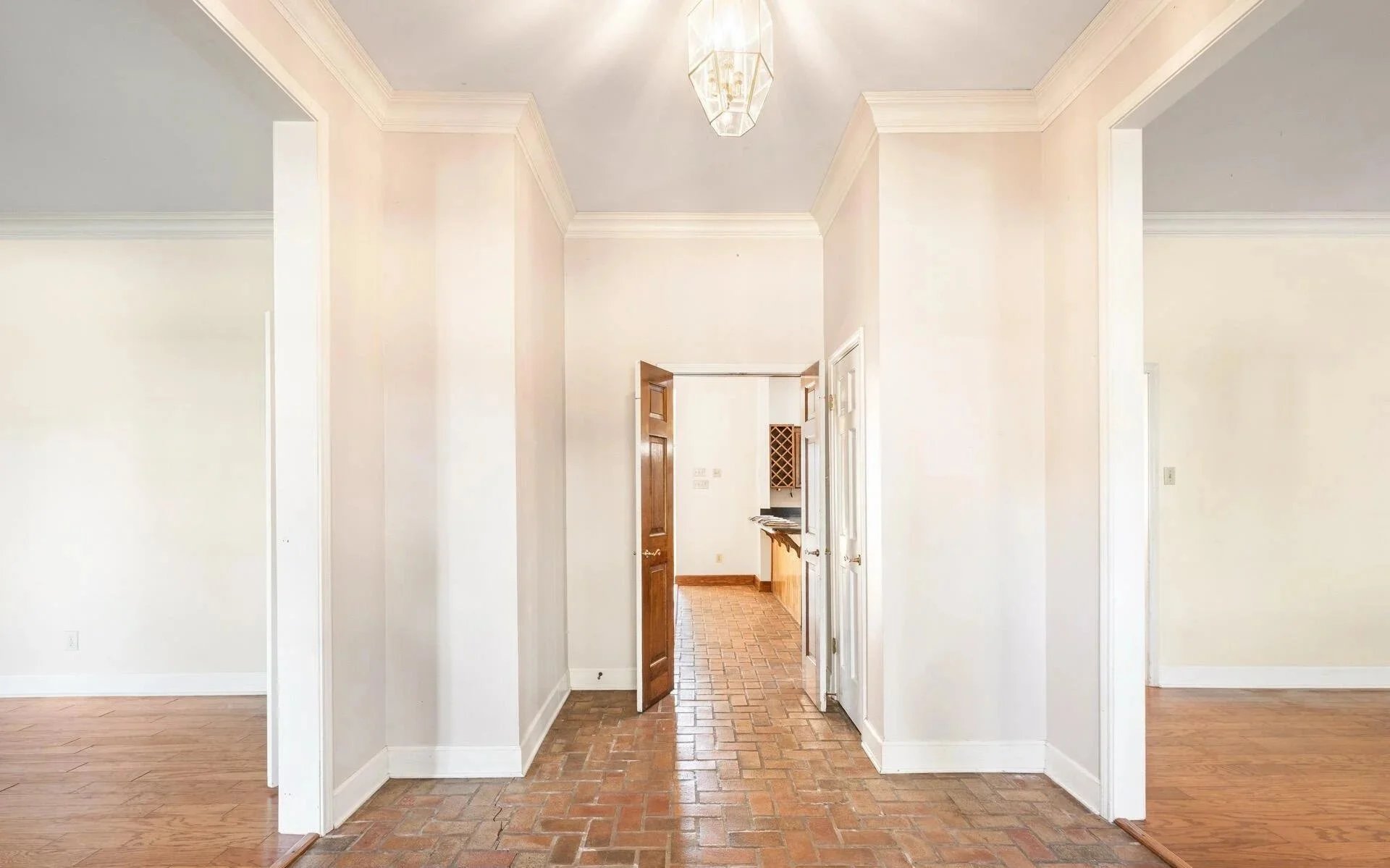
When an Old House Is Worth Saving
Are you still with me?? It’s finally time to discuss what you actually came here to find out.
An old Lafayette house is usually worth serious consideration when the structure is fundamentally sound or fixable, the roof and water issues are identifiable, the original materials are worth preserving, the floor plan has real potential, the neighborhood supports the after-renovation value, and the purchase price leaves room for repairs.
The finished home should be able to compete with surrounding sales without becoming the most over-improved house on the street. The inspection issues should be priceable. The renovation should make sense for the way you actually plan to live, not just for the version of you who has never had to source a backordered faucet during drywall week.
That is the kind of old house that can reward you. Not because it is perfect, but because it is worth the work. There’s likely one of you working purely from a spreadsheet and one of you working purely from a gut feeling. The truth is this: you’re both right. For a renovation like this one, it’s best to work from where the numbers and feelings intersect.
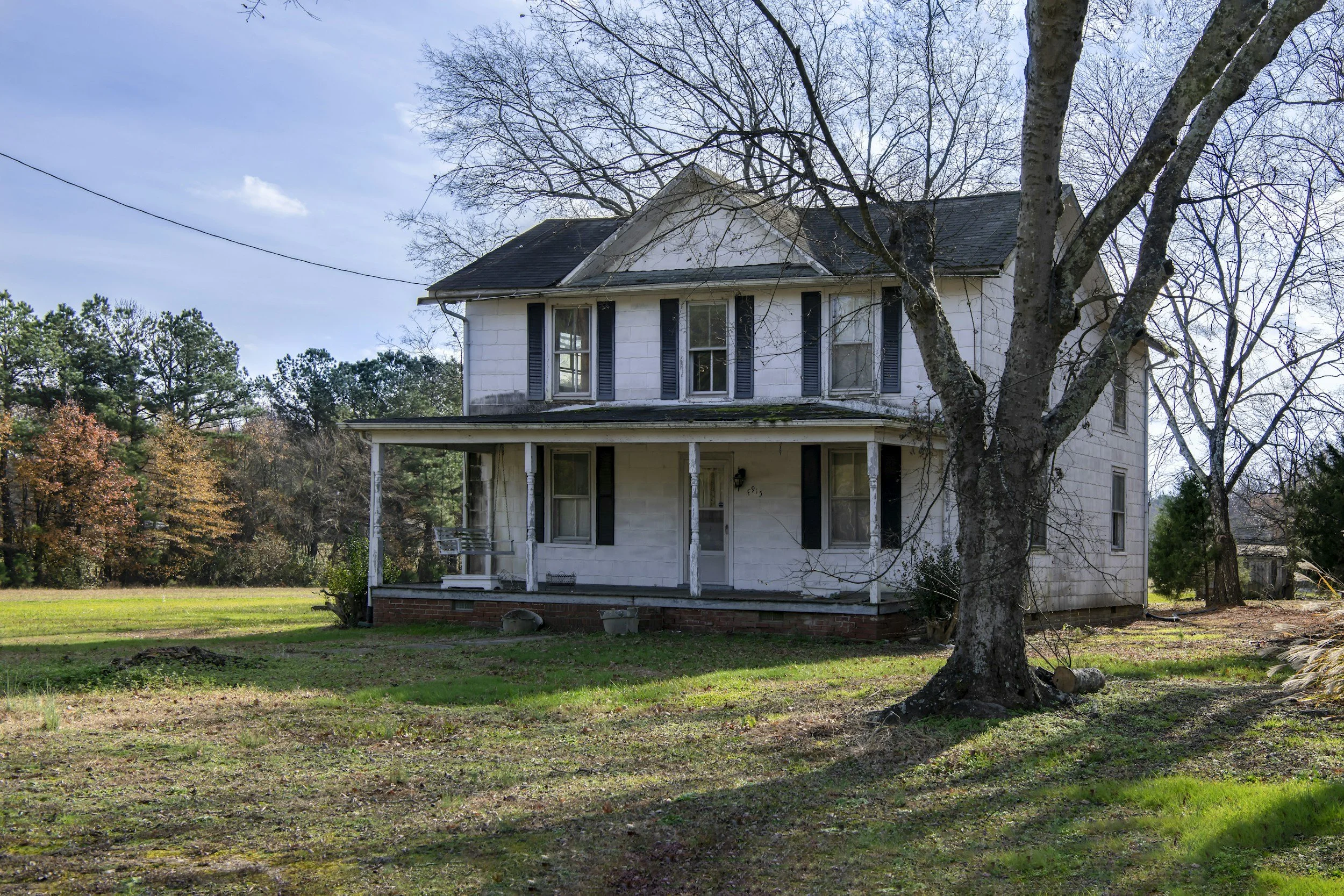
When You Should Walk Away
Sometimes the best renovation decision is not to renovate.
Or at the very least, not yet.
This is the part people love to skip because it is emotionally exhausting, but walking away is sometimes the thing that keeps a good house from becoming a bad decision. If the cost to make a house safe, dry, level, functional, and beautiful destroys the financial logic of the purchase, the answer is not to squint harder at the potential. The answer is to stop.
And we did…
…Twice.
There were points in this process where the house still had the bones, the location still made sense, and the long-term vision was still there, but the numbers did not support the risk. So we walked. Not because the house was not worth saving, not because we wanted to “play hardball,” but because it was not worth saving at the price.
That distinction matters.
A house can have character, mature trees, a strong neighborhood, good proportions, and real upside, and still be the wrong deal if the seller is not acknowledging the work. Foundation questions, roof life, HVAC, drainage, plumbing, electrical, termites, cosmetic renovation, closing costs, carry costs, and contingency all have to live somewhere in the math. They do not disappear because the house has good light.
Getting to a number that made sense took hard work, uncomfortable conversations, tough negotiation, and actual evidence. Not vibes. Not “we just feel like it needs work.” Evidence. Inspection findings. Specialist opinions. Repair estimates. Comparable sales. Renovation modeling. Four separate excel workbooks with supporting quotes, multi scenario valuations, and comps going back 10 years to support trend estimates. A clear argument for what the house could be, but also what it would realistically cost to get it there.
That is what changed the conversation.
The goal was never to “win” at someone else’s expense. The goal was to get to a place where the risk, the repairs, the price, and the long-term value made sense for everyone. Eventually, after walking away when we needed to and coming back with a stronger, better-supported position, we got there.
That is the real lesson.
Character is valuable, but character does not cancel math. Potential is powerful, but only if the price respects the work. Sometimes the smartest thing you can do for a house you love is be willing to leave it on the table until the numbers tell the truth.

Kristen and Alex Chauvin with their 2 beautiful boys, Preston and John Douglas
Final Thought: Learn to Listen (and Question!) Before You Fall in Love
Old houses have a way of making smart people act irrationally. I get it. The porch is good. The light is good. The trees are good. The original floors are peeking out from under some tragic carpet. You can already picture the kitchen, the unlacquered brass, the weird little powder room wallpaper, and the dinner party version of yourself who apparently owns letterpress stationary and embroidered linens.
But before you fall in love, listen to the house. Then listen to the neighborhood. Look at the roofline. Open the doors. Check the floors. Read the inspection report without panicking. Bring in the specialists. Price the work. Study the comps. Ask whether the location can carry the renovation.
Then decide whether the house is tired, broken, overpriced, or quietly brilliant underneath all the neglect.
Because good bones are not just what is holding the house up. They are what is holding the investment up too.
Occasionally I get to work with dream clients who are not only game for a project, they are ride or die dream partners who trust my strategy, expertise, vision, and advice while still educating themselves to the point of putting a sewer scope up on their living room tv and watching every dirty second, then doing the same with every page of a 200+ page inspection report and somehow not pulling the plug out of panic. The Chauvins blew everyone out of the water on this one, and I’m forever grateful to call them friends as well as clients. Thank you Alex for getting quotes to back up my quotes and tolerating me and Kristen’s nonsense in our group chat, thank you Kristen for encouraging every wild design musing I throw your way and keeping me laughing when I would otherwise absolutely be crying, thank you Preston for being cute enough for me to be fully unbothered by you throwing up on me at a showing, and thank you JD for being a sweet baby sunshine boy every time we needed it. I’m forever invested in your lives, like it or not. The Settlement doesn’t know what absolute gems they just got for neighbors, but I can’t wait for them to find out.
If you are house-hunting in Lafayette and you find an older home that feels like it might have good bones under some rough edges, reach out. I can usually tell pretty quickly whether you are looking at a project worth falling in love with, or one worth walking away from with your deposit intact.
FAQs
-
Lafayette homes have to be evaluated through a South Louisiana lens. Humidity, drainage, termites, soil movement, tree roots, heat, and roof wear all matter here more than they might in a drier climate. A home that looks “fine” cosmetically can still have expensive moisture or foundation issues if water has not been managed properly. That does not mean old Lafayette houses are bad investments. It means buyers need sharper due diligence before they decide the house has good bones.
-
You may be over-improving if your all-in cost, including purchase price, repairs, renovation, closing costs, carry costs, and contingency, pushes the home above what nearby buyers are realistically paying. The best way to check is to ask your agent. They will compare your finished plan to the strongest nearby renovated sales, not just the prettiest homes you found online. If the neighborhood does not support the finished value, the renovation may still be worth doing for lifestyle reasons, but you should not pretend it is all investment money.
-
Lifestyle money is what you spend because it improves the way you live. Investment money is what the market is likely to return to you. A custom plaster hood, antique marble, unlacquered brass, or a reworked floor plan may be absolutely worth it if you plan to live in the home long-term. But not every beautiful choice produces equal resale value. The smartest old house renovations understand the difference and look for places where lifestyle and investment overlap.
-
Not always, but they should be evaluated before they are removed. Original hardwood floors, cypress trim, solid wood doors, plaster walls, built-ins, brick, and old hardware can carry real value, especially when they are difficult or expensive to recreate today. But original does not automatically mean salvageable. Water damage, termite damage, previous bad repairs, and excessive wear can change the equation. The right question is not “is it old?” The right question is “is it good enough to restore?”
-
An honestly dated house can be easier to evaluate than a cheaply updated one. When a home still has old paint, dated cabinets, worn floors, and tired finishes, you can usually see what you are dealing with. A quick cosmetic update can hide water stains, soft floors, bad repairs, cheap materials, or systems that were never addressed. Pretty is not the same thing as sound. In addition to that, everyone’s tastes are different, and it’s rare that someone renovated a home with the exact finishes you’d choose. Remember that “unflipping” a house costs more than renovating from the ground up, plus you’re paying a premium for an “updated” home no matter how ugly the previous owner’s tile choices are, and that absolutely should be treated as its own line item. Sometimes the ugly house is the more honest house.
-
Say it with me: “LISTEN! TO! YOUR! AGENT!!!!”
We read, troubleshoot, and navigate these reports every single day. No matter how many houses your dad bought in his life, I guarantee we are more equipped to navigate inspections than he is. Do not read the inspection report emotionally. Sort it into four categories: safety, big-ticket systems, maintenance, and cosmetic. Safety and major system issues need immediate attention and pricing. Maintenance items are normal but still affect your budget. Cosmetic items are usually the least scary, even though buyers often notice them first. Inspection reports are written to document defects, not to reassure you. The goal is not to find a perfect house. The goal is to understand the real cost and risk. -
Renegotiate when the inspection reveals real issues that were not already reflected in the price, especially roof, foundation, electrical, plumbing, HVAC, drainage, termite, or structural concerns. The strongest renegotiations are based on evidence: inspection findings, specialist evaluations, contractor estimates, comparable sales, and renovation math. “We feel like it needs work” is weak. “Here is what it needs, what it costs, and how that affects the value” is much harder to dismiss.
-
Personally, I’d argue buyers’ biggest mistakes with old homes is trashing gorgeous antique fixtures and slapping LVP down that doesn’t fit the home’s aesthetic, but that’s just me. The REAL biggest mistake is falling in love before doing the math. Old houses are emotional by nature. They have better stories, better materials, better trees, and usually better weird little rooms than newer homes. But charm can make buyers ignore expensive problems or overpay for potential that the market will not fully support. The best old house buyers stay romantic about the vision but practical about the numbers. That is where the good deals live.