
Closing Day (Or, The Part Where We Let Her Go)
105 Teche is officially sold. From late-night touch-ups and intentional staging to going under contract in January and closing at full price in February, this post shares the strategy, emotion, and business behind a design-forward Lafayette home restoration — plus a closing-day cameo from a five-year-old with “serious business” to handle.
There’s something surreal about closing day.
After months of dust, design decisions, late-night paint touch-ups, grout sealing at unreasonable hours, hardware swaps, staging marathons, and more “one last thing” moments than I can count — it all condenses into a stack of paper and a pen.
No sawdust.
No drills.
Just signatures.
And somehow, that feels louder than all of it.
The Nights Before the Numbers
The week leading up to closing wasn’t glamorous. It was final walk-through energy. It was tightening hinges. Adjusting strike plates. One last caulk line.
It was making sure Teche was ready for the new family that fell in love with her.
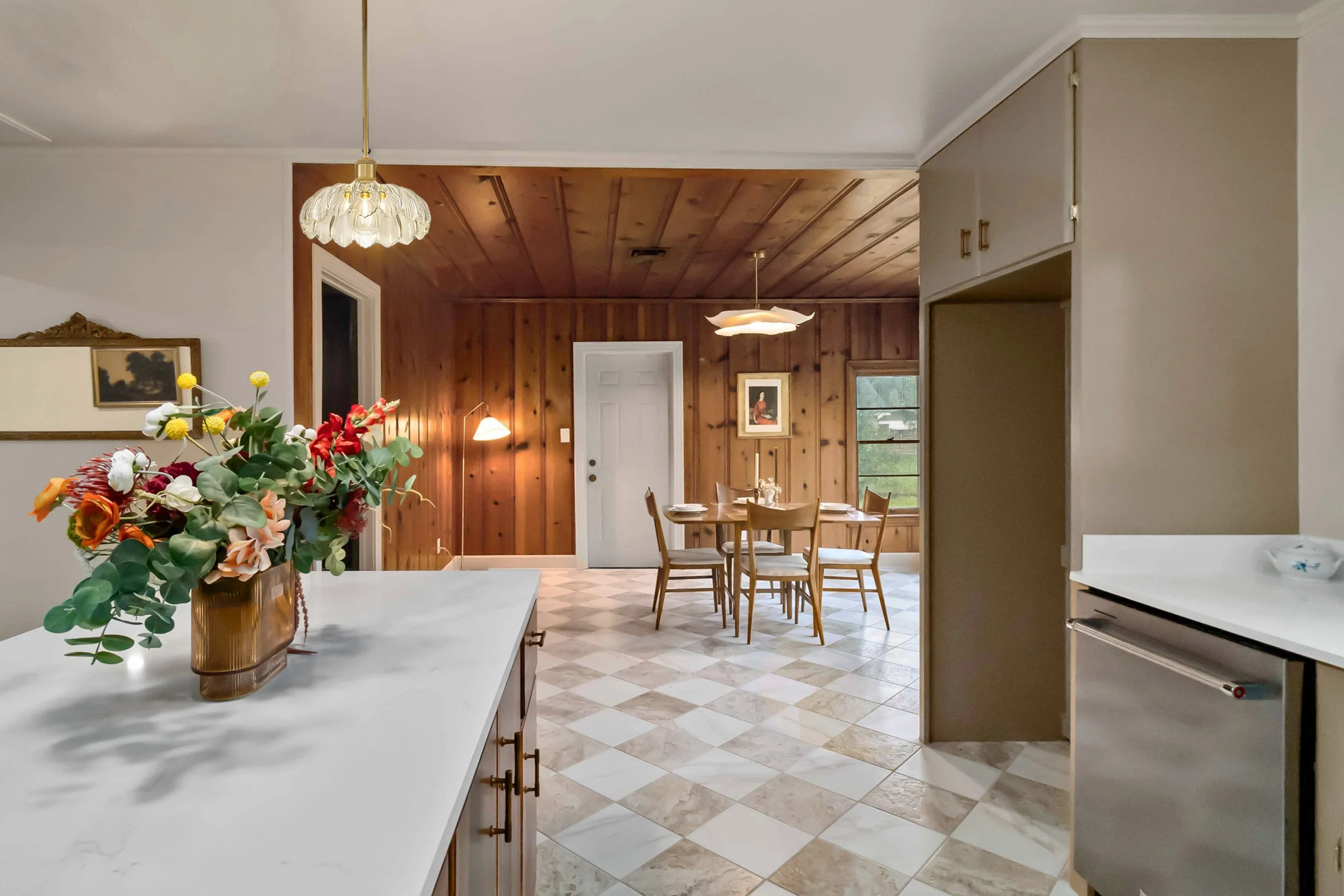
Staging had been the most indulgent part of this project — the rugs, the vintage glass, the brass glowing under the correct temperature bulbs (always the correct temperature bulbs). But closing week is about restraint. About making sure everything you promised is exactly what the buyers receive.
No half-painted hardware.
No dusty baseboards.
No tape hiding in corners.
Just a house, fully ready.

The Business of Doing It Right
Because I know some of you are wondering how it all shook out.
We purchased 105 Teche at a price that respected her bones — solid structure, a strong lot, original cypress worth restoring, not replacing. The renovation plan was measured from the start. We allocated capital toward what actually creates long-term value: improving layout flow, upgrading electrical and plumbing systems, insulating properly, restoring historic materials, and choosing finishes designed to age beautifully.
No trend chasing.
No artificial inflation.
No shortcuts disguised as savings.
We went under contract in January — traditionally one of the slower months in our market — and closed in February at full price, supported by appraisal. That detail matters. Not because it’s dramatic, but because it validates the work. Thoughtful restoration holds its ground, even when the market cools.
Yes, there was profit. There should be. Risk, time, and expertise deserve return. But the margin wasn’t extracted — it was earned through months of labor, deliberate decision-making, and a refusal to rush quality for speed.
The buyers didn’t overpay. They stepped into a home where the systems were addressed, the details were resolved, and the hard work was already done.
In a market that often rewards shortcuts, we chose steadiness.
That’s the kind of business I’m proud to run.

Closing Day, According to a Five-Year-Old
Evie came with me.
She insisted (plus school was closed for Mardi Gras break).
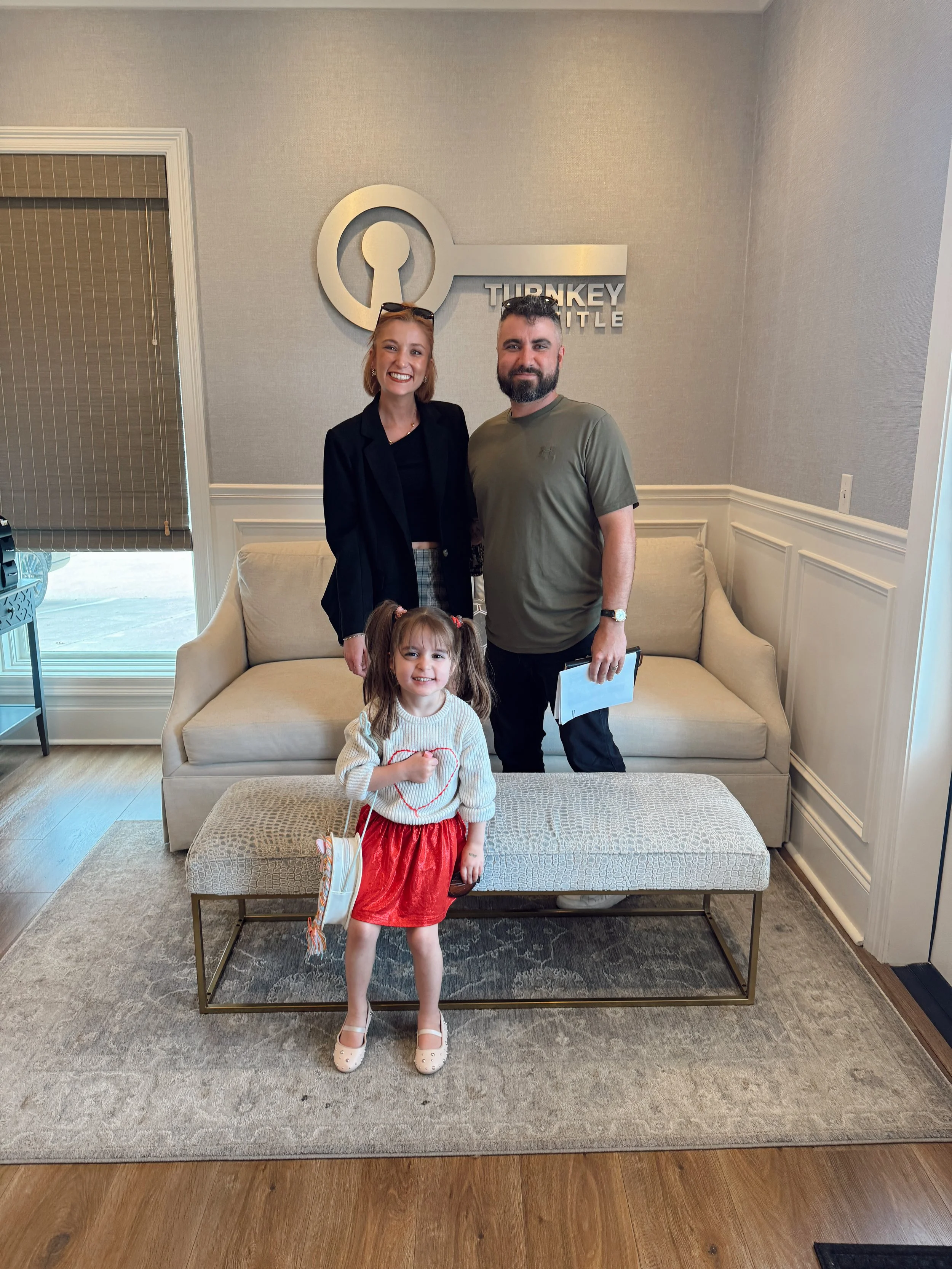
She wore something sparkly and announced to the receptionist, with full authority, that she “has serious business to take care of.” Which, honestly, she did.
She sat at the closing table doing her makeup with intense focus while I signed what felt like a small forest’s worth of paperwork. At one point she leaned over and whispered, “Mommy, why is there so much legal jargon?”
Valid question.
There’s something poetic about watching your child witness a full cycle — from demolition days to handing over keys. She’s run through those rooms mid-construction. She’s danced on the floors. She told me once the house was “almost done.”
And now she watched it officially become someone else’s.
It felt… right.



After the Signatures
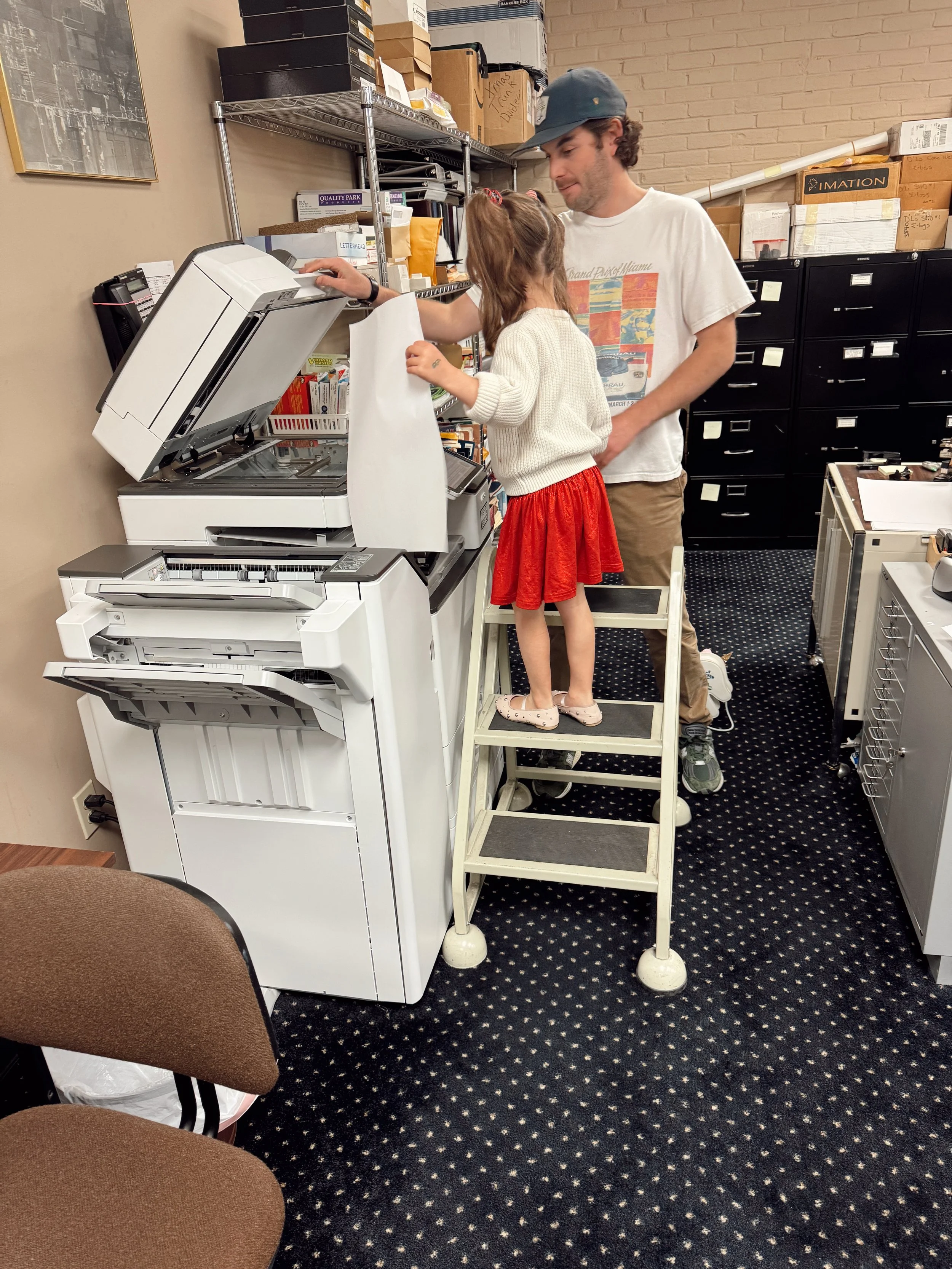
When it was done, I gathered the documents and drove them straight to “Mista Patrick’s office.”
We reflected on this flip like adults. Talked strategy. Talked next moves.
And then we did what any serious real estate professional and her family would do:
We made heart shapes with our hands on the office copier and ran copies.
Proof of serious business.
What Closing Really Means
Closing isn’t an ending. It’s a transfer of stewardship.
We restored 105 Teche. We listened to her. We made her whole again. But she was never ours to keep.
Now she belongs to someone else’s slow mornings. Someone else’s late dinners. Someone else’s wildflower garden maintenance schedule.
And that’s the point.
We didn’t build a flip.
We built something ready.
And the best part?
We get to do it again.
Now if you need me I’ll be enjoying my long-standing closing day ritual: Steak for one, too much red wine, and a whole box of lucky charms.
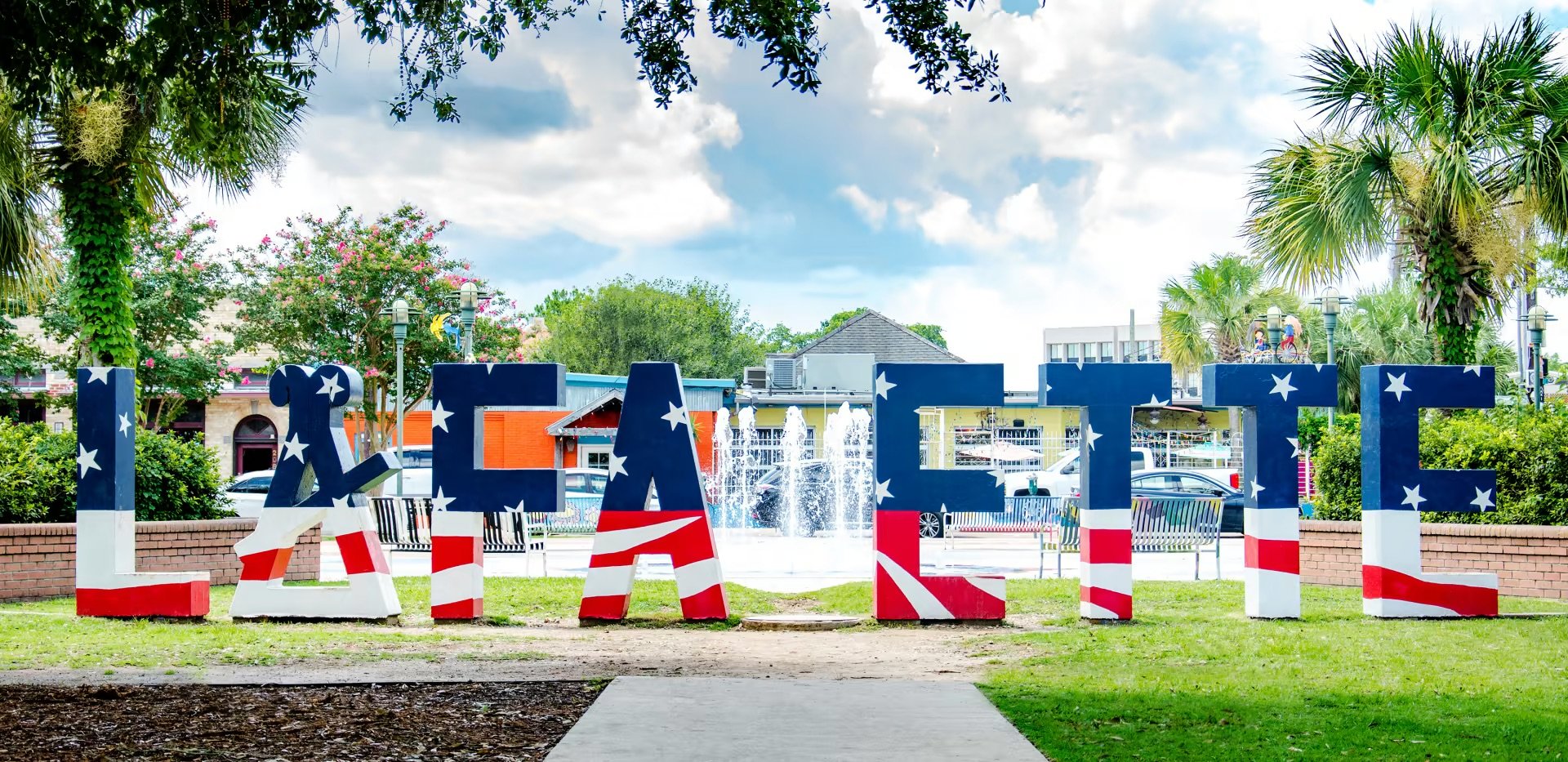
From “Fightin’ville” to Freetown: Exploring Lafayette’s Historic Districts This Memorial Day
Discover the rich military and cultural history behind Lafayette, Louisiana's most iconic neighborhoods—La Place, Freetown-Port Rico, Sterling Grove, Downtown, and Bendel Gardens. From “Fightin’ville” pride to Civil War-era roots, this Memorial Day, take a deeper look into the legacies that shaped the heart of Acadiana.
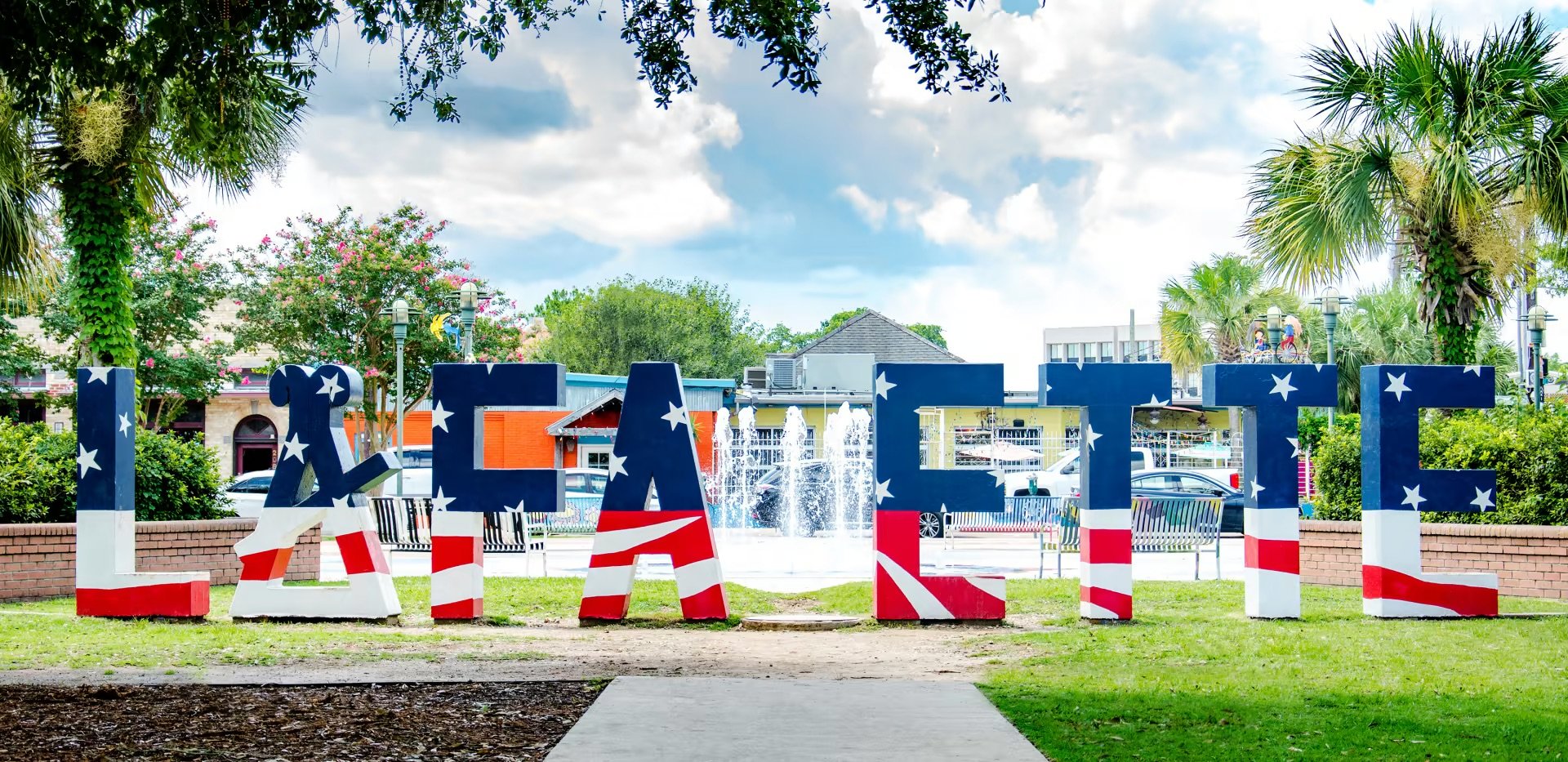
Let Me Tell You a Story About Lafayette…
Lafayette, Louisiana is more than good food and vibrant music—it’s a place where every street has a story. While it thrives in the present, Lafayette is deeply rooted in history, especially in neighborhoods where military heritage, cultural pride, and community leadership converge.
Let’s take a walk through some of the city’s most iconic neighborhoods. These places don’t just hold homes—they hold legacies.

La Place: A Legacy of Education, Leadership—And Grit
Welcome to La Place, affectionately known as “Fightin’ville.” That nickname isn’t about conflict—it’s a badge of honor, symbolizing the community’s enduring strength, pride, and tenacity through generations.
Established shortly after Downtown Lafayette, La Place became a cornerstone for African American advancement. It was here in 1903 that Lafayette’s first academic school for Black students opened its doors. By 1911, the first African American Catholic Church stood tall as a symbol of faith and unity.
La Place produced leaders, change-makers, and cultural icons. Even during the Civil Rights Movement, its streets echoed with determination as national voices like Dr. Martin Luther King Jr. passed through.
Today, Lafayette proudly honors “Fightin’ville” with the Heritage Walk—a curated path that celebrates the people and places that shaped this bold, beautiful neighborhood.

Freetown-Port Rico: A Story of Resilience and Celebration
Just down the road is Freetown-Port Rico, a district originally settled by formerly enslaved people during the Civil War era. Today, it’s one of Lafayette’s most eclectic and culturally vibrant communities.
Designated a National Historic District, this neighborhood blends historical architecture—like Craftsman bungalows and Tudor-style homes—with modern creativity and community pride. Residents work together through a passionate neighborhood coterie to preserve the character and inclusivity that define this space.
It’s a neighborhood that doesn’t just remember the past—it celebrates it every day.

Sterling Grove: Preserving Historic Elegance
The Sterling Grove Historic District offers a serene retreat into the architectural past. Once home to the estate of Charles Mouton, a former Louisiana lieutenant governor, this neighborhood now holds over 50 historically preserved homes ranging from Greek Revival to Colonial styles.
Listed on the National Register of Historic Places, Sterling Grove showcases Lafayette’s roots in a quiet, residential setting where time seems to stand still.
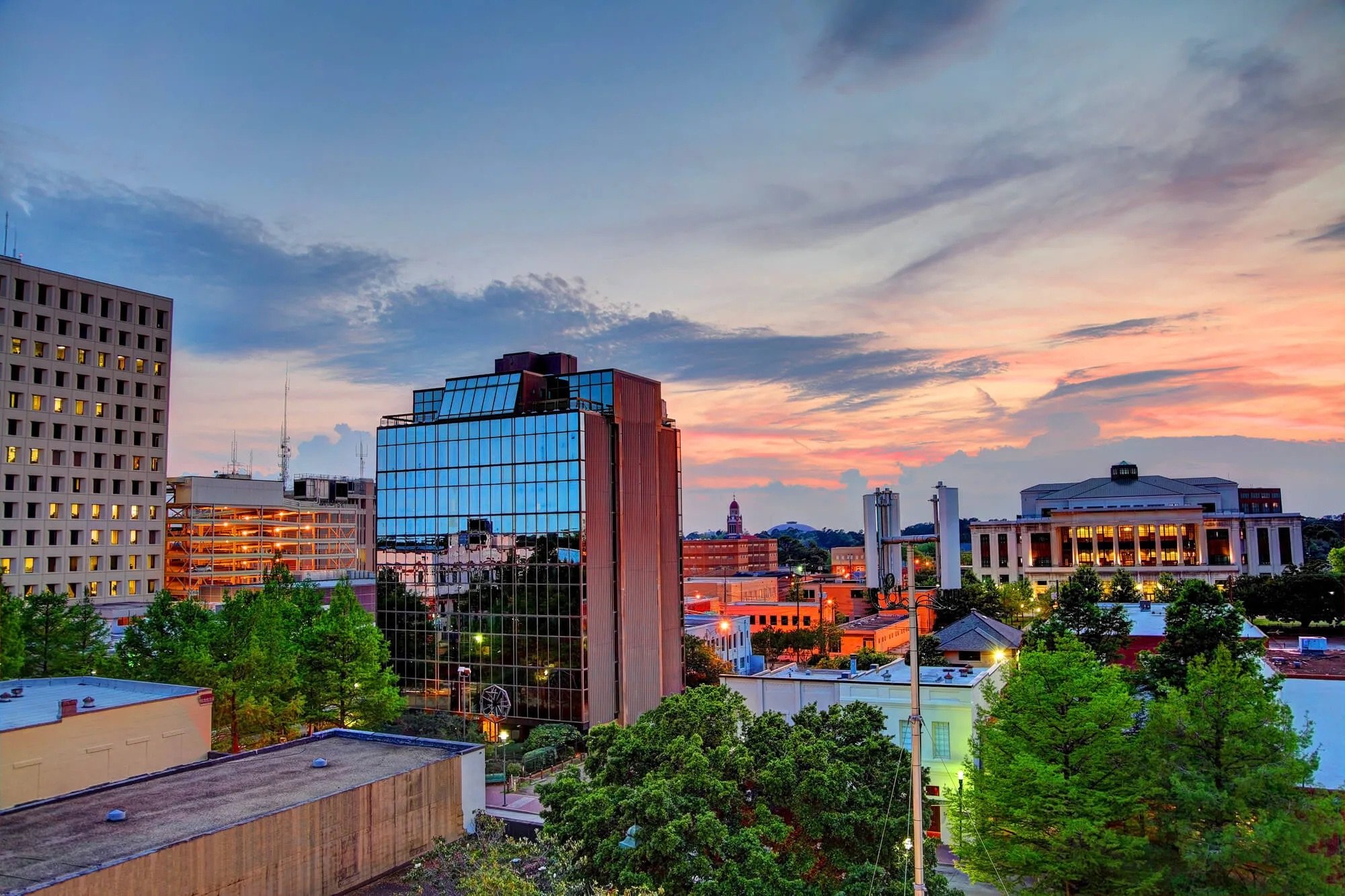
Downtown Lafayette: A Cultural Crossroads
Downtown Lafayette isn’t just the city’s business hub—it’s the historical heart with deep military roots. Once part of the Attakapas region, the area played a significant role during various military movements, including serving as a vital crossroads during the Civil War.
Today, it’s a vibrant mix of heritage and innovation. Restored storefronts stand where supply routes once ran, and cultural festivals now echo the resilience of a community shaped by history. For anyone looking to understand both where Lafayette started and where it’s headed, this is the place to be.

Bendel Gardens: From Plantation Roots to Riverside Peace
Once known as Walnut Grove Plantation—an estate of strategic importance during the Civil War—Bendel Gardens has evolved into one of Lafayette’s most serene and picturesque neighborhoods. Situated along the banks of the Vermilion River, this area is now known for its grand, oak-lined streets and graceful, historic homes.
What was once a pivotal piece of farmland during wartime is today a peaceful residential enclave. The legacy of its past lives on in the magnolia-lined drives and the quiet dignity that surrounds every corner of the community.

Why These Neighborhoods Matter
These aren’t just neighborhoods—they’re living legacies. Each one is a tribute to the people, sacrifices, and stories that built Lafayette. Whether you’re a homebuyer looking for character, a history buff exploring the past, or a resident appreciating your roots, Lafayette’s historic districts offer a rich and resonant experience.
FAQs
-
Absolutely! Many of Lafayette's historic neighborhoods are open to the public year-round. You can explore areas like Downtown Lafayette and Freetown-Port Rico on your own or participate in guided tours. For instance, the Downtown Lafayette Cajun History & Folklore Walking Tour offers insights into the area's rich history. Additionally, Vermilionville provides a living history experience with restored 18th and 19th-century homes.
-
The Alexandre Mouton House, also known as the Lafayette Museum, is a prime destination. Built around 1800 by Jean Mouton, one of Lafayette's founders, the museum showcases artifacts and exhibits related to the Mouton family's involvement in Louisiana's history, including the Civil War. For broader cultural insights, consider visiting the Acadian Cultural Center, which delves into the region's Cajun and Creole heritage.
-
Occasionally, yes—and they’re often highly sought after. If you’re interested, contact me today to get started and stay ahead of new listings!