
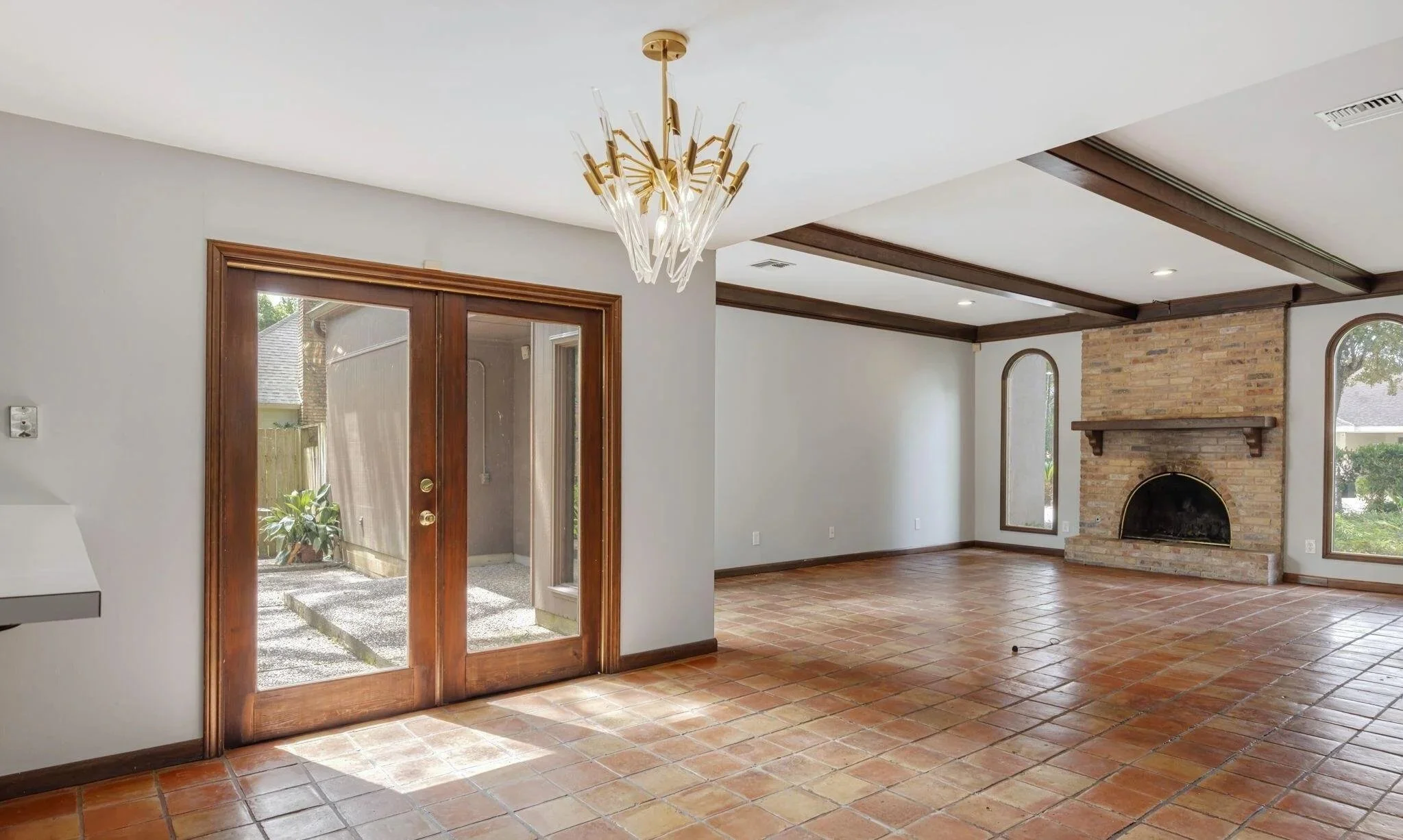
315 N. Demanade Boulevard
Lafayette, Louisiana 70503
Keep It, Sell It, or SPY It
A paid-off house vs the S&P 500 · Shelby Youtsas
Dial the Assumptions
—
Annual NOI
—
Cap Rate
—
Total Return on Equity
—
Monthly Cash Flow
Three Paths on the New House
A — Sell & Roll (Low Note)
Down (all proceeds in)—
Loan—
P&I note—
Income offset—
Net monthly—
Equity earns0%
B — Sell: Half S&P, Half Down
Down (half proceeds, after costs)—
Loan—
P&I note—
S&P draw (4% rule)—
Net monthly—
Equity earns—
Income shown is a 4% sustainable withdrawal so the portfolio keeps compounding. Spending the full average return each month means selling shares and giving up the growth this whole comparison is built on.
C — Keep as Rental (The Pitch)
Down (from savings)—
Loan—
P&I note—
Tenant covers—
Net monthly—
Equity earns—
The Equity Duel — 10-Year Race
Sell → S&P 500 (net of 7% selling costs)
Keep the house (value + rents reinvested)
—
Rental path = house value appreciating + NOI reinvested at the S&P rate. Pre-tax on both sides — see The Tax Angle below for why the sides aren't taxed the same. Educational comparison, not investment or tax advice.
The Tax Angle (Read This Part)
- Selling now is tax-free. Because y'all lived in the house 2 of the last 5 years, up to $500k of gain (married filing jointly) is excluded under Section 121. The check at closing is the only fully tax-free money anywhere in this comparison.
- That tax-free window doesn't slam shut when you move. It survives roughly 3 more years after move-out. Translation: you can rent the house for 2–3 years, find out whether you actually like being landlords, and still sell tax-free if you don't. Renting is reversible. Selling is not. That option is worth real money and it never shows up on the chart.
- The S&P path is not tax-free going forward. Dividends are taxed every year and gains are taxed when you sell. The red line above is a pre-tax line.
- The rental path has a tax shield, with a catch. Depreciation shelters a chunk of the rental income each year. The catch: if you keep it past the ~3-year window and sell later, the gain becomes taxable and the IRS recaptures that depreciation at up to 25% — though a 1031 exchange can keep deferring it.
- Louisiana landlord reality. The day it converts to a rental, the homestead exemption goes away (property taxes step up) and the homeowner policy becomes a landlord policy. Both are already baked into the taxes + insurance number above — that's why it looks high.
I'm your Realtor, not your CPA — before pulling the trigger on any of these paths, run the tax side past a CPA. I'll happily join that call.